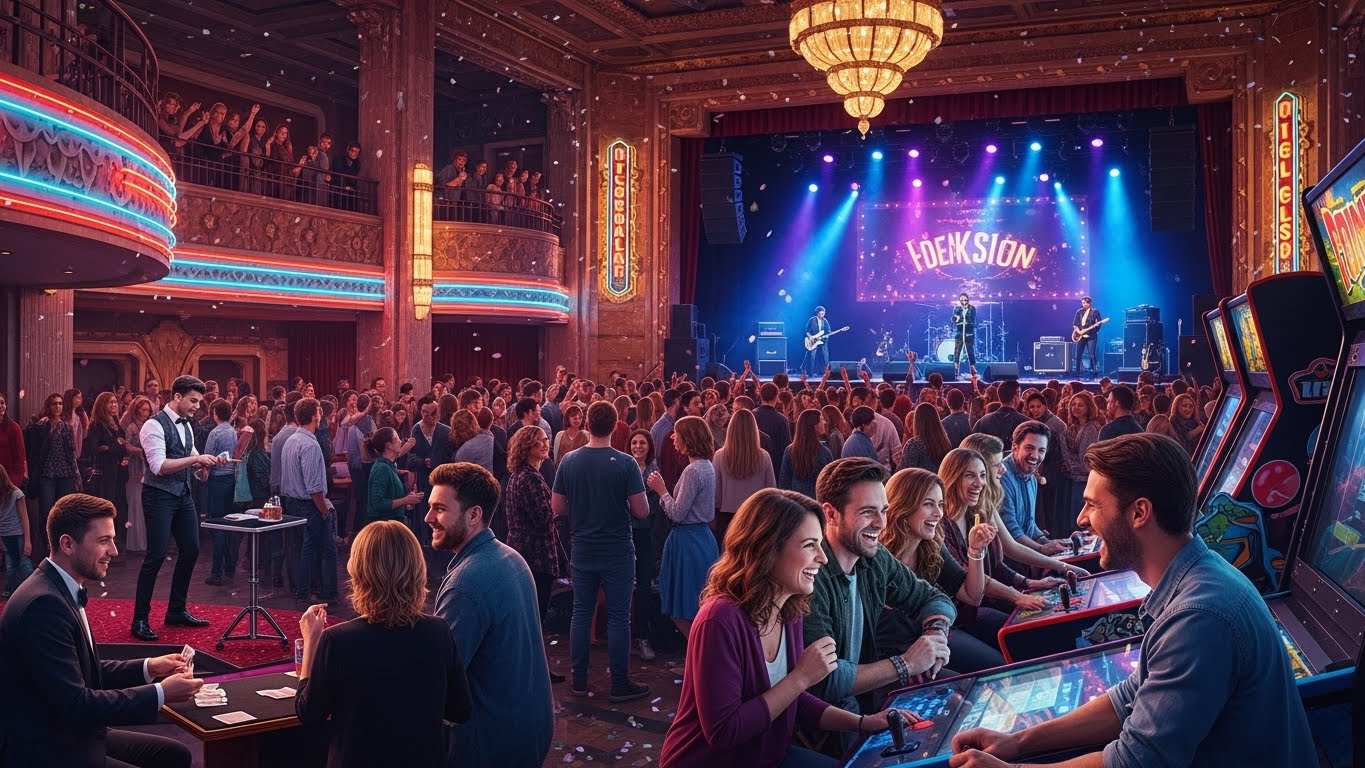
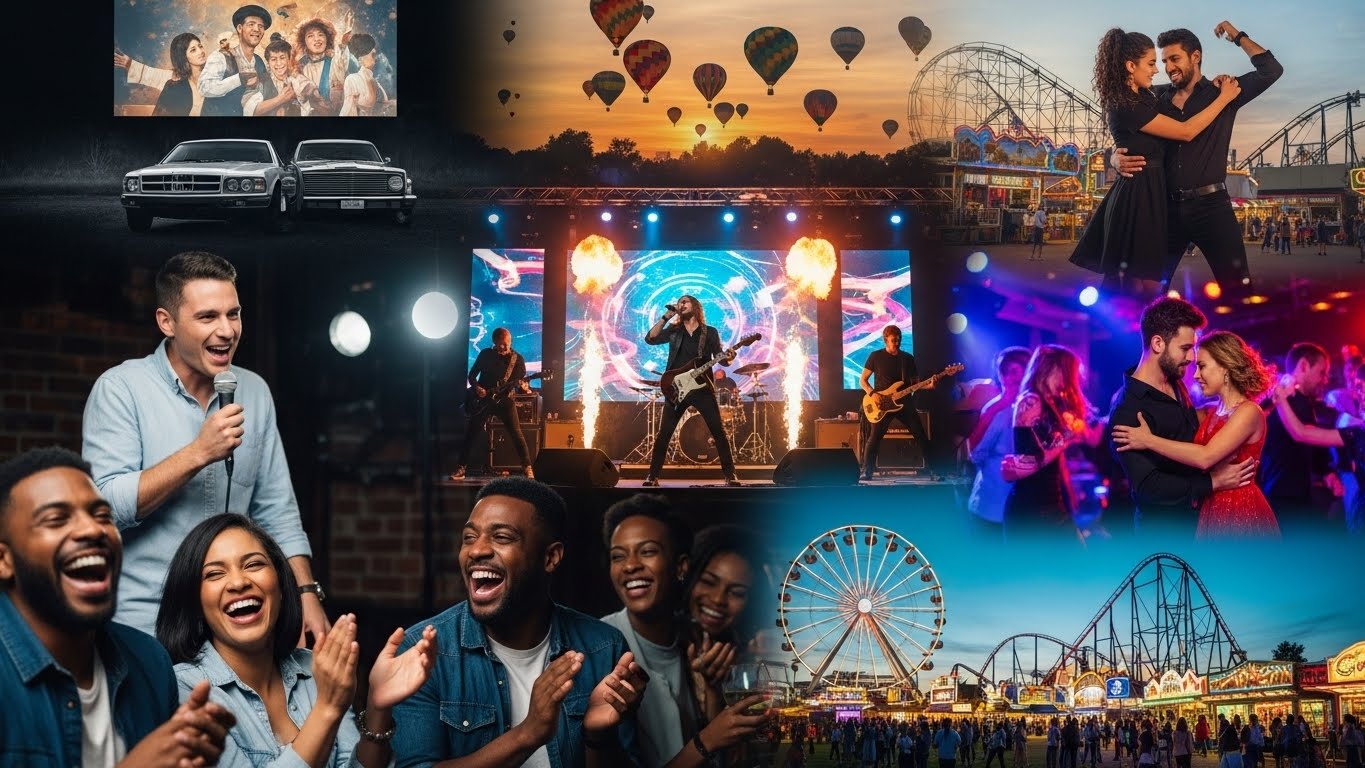
Entertainment has always been an integral part of human culture. From ancient storytelling around fires to today’s blockbuster movies and streaming platforms, the ways in which we experience amusement have evolved, but the impact remains significant. Entertainment is no longer just a form of leisure; it influences our emotions, shapes our perspectives, and even impacts social behavior. In this article, we explore the dynamic world of entertainment, its evolution, and why it matters more than ever in modern society.
The Evolution of Entertainment
Entertainment has undergone a remarkable transformation over centuries. In ancient times, people relied on oral storytelling, music, and theatrical performances to convey stories and share cultural experiences. These forms of entertainment were communal, allowing people to connect with each other and their traditions. Storytellers and performers held a unique status in society as they shaped cultural narratives and preserved collective memory.
With the advent of technology, entertainment expanded into new territories. The invention of the printing press brought literature and poetry into wider circulation. Radio and cinema later revolutionized how people consumed stories and music. Television further brought entertainment into homes, turning living rooms into theaters. Today, digital platforms and streaming services have made entertainment more accessible than ever, allowing people to enjoy content at any time and anywhere.
Movies: The Art of Visual Storytelling
Movies are perhaps one of the most influential forms of modern entertainment. They combine narrative, music, visual art, and acting to create immersive experiences that resonate with audiences. Blockbusters often dominate popular culture, inspiring fashion trends, dialogue catchphrases, and even social movements.
Cinema also serves as a mirror to society. Films explore issues like love, identity, politics, and morality, prompting audiences to reflect on their own lives. While some movies aim purely to entertain, others challenge perceptions and provoke thought. Independent films, for instance, offer fresh perspectives and creative storytelling, giving voice to stories that may not be represented in mainstream media.
The rise of streaming platforms has also democratized filmmaking. Aspiring filmmakers now have avenues to reach global audiences without the backing of major studios. This has led to a surge in diversity, both in stories told and the people telling them.
Music: The Universal Language
Music has always been a universal form of entertainment. From traditional folk songs to modern pop, music resonates with people on an emotional level. It can uplift, soothe, energize, or bring people together in celebration. Unlike other forms of entertainment, music transcends language and cultural barriers, creating shared experiences across the globe.
The digital era has transformed the music industry as well. Streaming services allow listeners to explore an almost infinite library of songs from any genre or region. Artists can now reach fans directly, building communities without relying solely on record labels. Social media platforms also allow music to go viral instantly, shaping trends and influencing popular culture in unprecedented ways.
Live music remains a cornerstone of entertainment. Concerts and music festivals provide a sense of communal energy that cannot be replicated digitally. The thrill of shared experiences and the emotional connection to live performances make music a deeply personal and yet universal form of entertainment.
Gaming: Interactive Entertainment
Video games have emerged as a dominant force in the entertainment industry, blending technology, storytelling, and interactivity. Unlike passive forms of entertainment, gaming engages players actively, requiring strategy, decision-making, and creativity. Games can transport players to fantastical worlds, challenge their intellect, or provide adrenaline-pumping excitement.
The gaming industry has also fostered global communities. Online multiplayer games allow players to connect, collaborate, and compete with others worldwide. Esports, the competitive side of gaming, has transformed video games into spectator events, drawing millions of viewers and professional players. This interactive nature of gaming makes it a unique form of entertainment that blurs the lines between player and audience.
Furthermore, games increasingly address complex narratives and emotional themes. Titles that explore mental health, morality, and human relationships showcase how gaming can go beyond fun to provoke thought and empathy. The convergence of art, technology, and storytelling in gaming makes it one of the most innovative entertainment mediums today.
Television: From Passive Viewing to Streaming Revolution
Television has evolved significantly over the decades. Once a simple medium for broadcast shows and news, it has transformed into a hub of diverse entertainment content. The rise of serialized storytelling has given TV a narrative depth comparable to films. Shows now tackle complex themes, explore character development, and experiment with formats in ways that engage audiences deeply.
Streaming services have revolutionized television consumption. Viewers can now binge-watch entire seasons, explore niche genres, and access content from around the world. This convenience has shifted audience expectations, leading to higher production values and more creative storytelling. Additionally, reality television and talk shows continue to provide a platform for social engagement, entertainment, and sometimes controversy, keeping viewers invested in both entertainment and societal discourse.
The Role of Social Media in Entertainment
Social media has become a central part of modern entertainment. Platforms like Instagram, TikTok, and YouTube provide avenues for creators to showcase their talent and for audiences to consume diverse content. Short-form videos, memes, and viral challenges offer quick bursts of amusement, while long-form content allows for storytelling, educational videos, and behind-the-scenes glimpses into the lives of celebrities.
Social media also allows fans to interact directly with creators, fostering communities that extend beyond the screen. Fan theories, reactions, and discussions amplify engagement, making entertainment an interactive experience. Moreover, social media has changed how trends emerge, enabling content to reach global audiences in mere hours. This instantaneous nature of digital entertainment is shaping culture and redefining celebrity in the 21st century.
Books and Literature: Timeless Entertainment
Despite the surge of digital entertainment, books and literature remain timeless sources of amusement and inspiration. Reading stimulates the imagination, allowing individuals to immerse themselves in unique worlds and perspectives. Literature also serves as a reflection of society, offering commentary on social issues, history, and human behavior.
Genres such as fantasy, mystery, romance, and science fiction cater to diverse tastes, ensuring that books remain relevant to audiences of all ages. Audiobooks have further transformed literary entertainment, enabling people to enjoy stories during commutes or multitasking. The enduring power of literature lies in its ability to evoke deep emotional responses, inspire thought, and provide an escape from the complexities of daily life.
The Psychological Impact of Entertainment
Entertainment is not merely a distraction; it has a profound psychological impact. Engaging in entertainment can reduce stress, improve mood, and foster creativity. Watching a gripping film, listening to music, or playing a game stimulates the brain, triggering the release of dopamine, the neurotransmitter associated with pleasure and reward.
Moreover, entertainment allows individuals to explore emotions safely. Experiencing fear, joy, sadness, or excitement through fictional stories or interactive media helps develop empathy and emotional intelligence. Entertainment can also provide a sense of connection, allowing individuals to relate to characters, narratives, and even fellow fans, which strengthens social bonds.
The Future of Entertainment
The future of entertainment promises even greater innovation and immersion. Virtual reality, augmented reality, and artificial intelligence are reshaping how we consume and interact with content. Imagine fully immersive experiences where viewers can step into a movie, interact with characters, or explore entire worlds. These technologies have the potential to blur the lines between reality and fiction, creating experiences that are more interactive and personalized than ever.
Artificial intelligence is also influencing content creation, from music composition to movie editing. While this raises debates about authenticity and creativity, it opens new avenues for experimentation and innovation. The integration of technology in entertainment ensures that it will continue to evolve, reflecting and shaping societal trends for generations to come.
Conclusion: Entertainment as a Reflection of Humanity
Entertainment is more than just a way to pass time; it is a reflection of human creativity, culture, and emotion. From traditional storytelling to modern digital platforms, it has evolved to meet the changing needs and desires of audiences. Movies, music, gaming, television, literature, and social media all serve as mirrors to society, reflecting our values, struggles, and aspirations.
The power of entertainment lies in its ability to connect people, evoke emotions, and inspire imagination. It shapes the way we perceive the world, encourages empathy, and provides an essential outlet for relaxation and joy. As technology advances, entertainment will continue to evolve, offering new ways to engage, inspire, and bring people together. Ultimately, entertainment is not just a pastime; it is a vital part of the human experience, enriching lives and connecting us through shared stories and emotions.