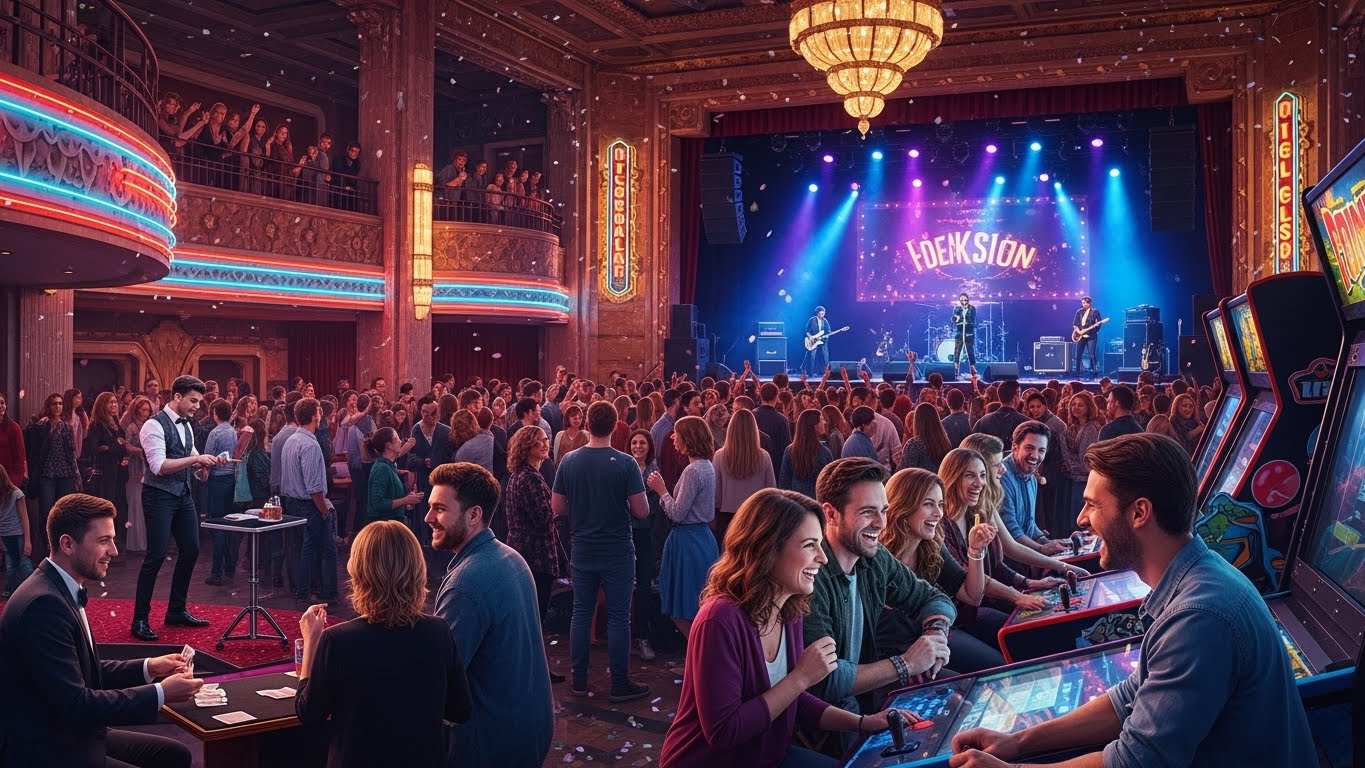
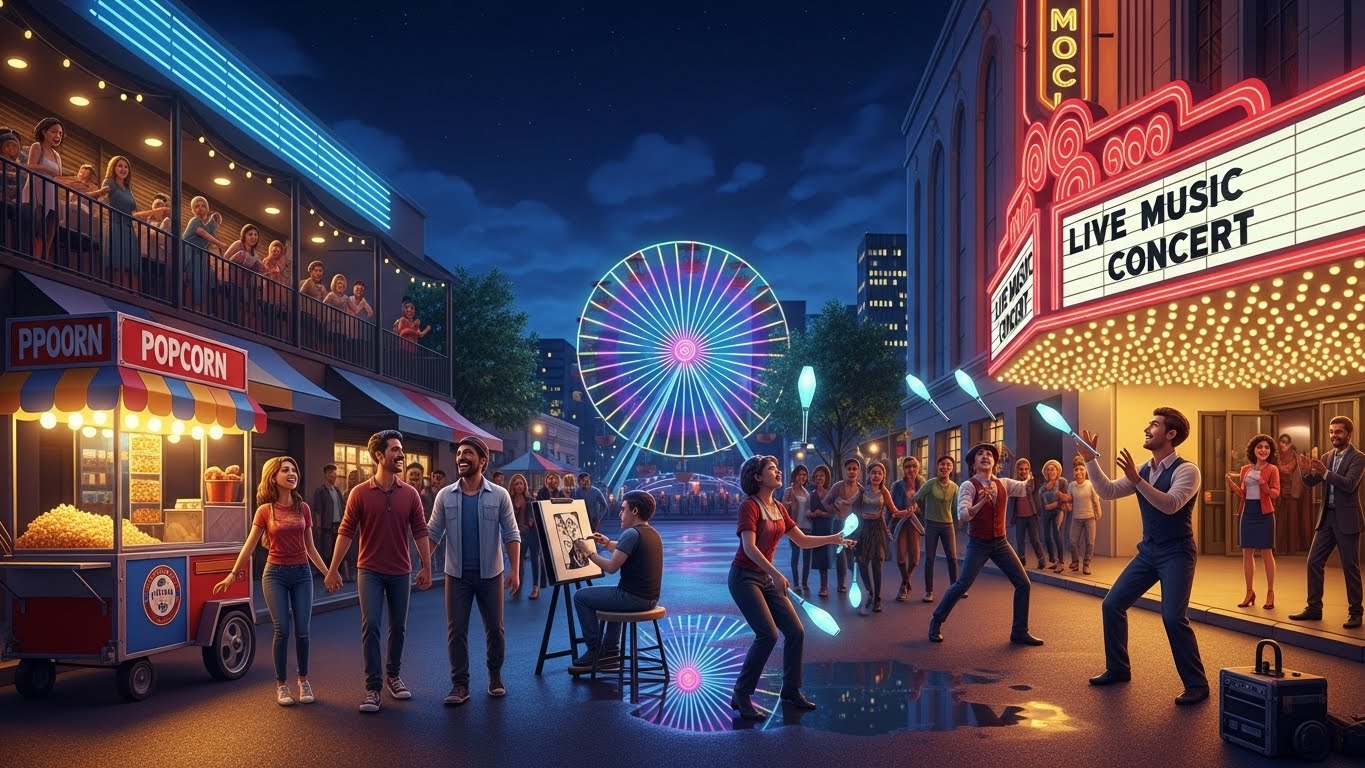
Entertainment has always been an essential part of human existence. From ancient times when people gathered around a fire to tell stories, to the modern age of immersive digital experiences, entertainment has evolved dramatically. In recent decades, the landscape of entertainment has undergone profound transformations, driven by advances in technology, shifts in consumer preferences, and new cultural movements. Today, we find ourselves living in an era where entertainment is no longer confined to traditional forms like theater or cinema—it is an all-encompassing, multi-faceted experience that spans across various platforms, genres, and formats.
The Roots of Entertainment: A Glimpse into the Past
Long before the advent of cinema, radio, and television, entertainment existed in more primitive forms. Storytelling, music, and physical performances were central to human culture. Early humans would gather around fires, telling myths, legends, and tales of adventure. These oral traditions were passed down through generations, providing entertainment while also preserving cultural heritage.
The invention of writing further expanded the scope of entertainment. Ancient civilizations like the Egyptians, Greeks, and Romans developed forms of written drama, poetry, and literature. Theater emerged as one of the most popular forms of entertainment, with iconic playwrights such as Sophocles, Euripides, and Shakespeare paving the way for modern-day theater. These early cultural achievements laid the foundation for the rich variety of entertainment forms that would follow.
The Birth of Modern Entertainment: Cinema Takes Center Stage
The 20th century marked a revolutionary period for entertainment, primarily due to the birth of cinema. The early days of film were characterized by short, silent films that captivated audiences through visuals alone. The introduction of sound in the late 1920s, however, transformed the entertainment landscape forever. Hollywood became the epicenter of global cinema, with stars like Charlie Chaplin, Buster Keaton, and Greta Garbo becoming household names.
The Golden Age of Hollywood, spanning the 1930s to the 1950s, was marked by the production of timeless classics such as Gone with the Wind, Casablanca, and The Wizard of Oz. These films not only entertained but also reflected the political and social climate of the times. For many, going to the movies was a communal experience, with theaters serving as places of escape from the challenges of daily life.
Television: The New Frontier
While cinema was flourishing in Hollywood, the television industry was quietly growing in the background. The introduction of television in the mid-20th century changed the way people consumed entertainment. Initially, TV programming was limited and black-and-white, but by the 1960s, color broadcasts and a wide array of shows began to dominate the entertainment scene.
Television revolutionized the way stories were told, bringing serialized content into homes across the world. Shows like I Love Lucy, The Twilight Zone, and The Mary Tyler Moore Show became cultural landmarks. Television was no longer just a means of broadcasting the news or showing films—it became a platform for comedy, drama, reality, and everything in between. The growth of TV networks and cable channels expanded the range of entertainment options, giving rise to the era of “appointment viewing,” where families gathered around the TV at specific times to watch their favorite programs.
The Digital Age: Entering the Internet Era
The arrival of the internet in the late 1990s and early 2000s changed everything. The rise of digital platforms and online streaming services dramatically altered the way people consumed entertainment. With the ability to stream movies, TV shows, and even live events on demand, audiences no longer had to wait for scheduled broadcasts or trips to the movie theater. The flexibility and convenience of digital entertainment changed consumer behavior forever.
Websites like YouTube allowed individuals to create and share their own content, giving rise to the era of “user-generated content.” Suddenly, anyone with a camera or smartphone could create videos, vlogs, tutorials, or skits that could reach millions of viewers worldwide. This democratization of entertainment gave birth to new stars, such as PewDiePie, Logan Paul, and Zoella, who gained global fame without the traditional support of a Hollywood studio or television network.
The Streaming Revolution: On-Demand Content for All
In the last decade, streaming services like Netflix, Hulu, Amazon Prime Video, and Disney+ have reshaped the entertainment industry. Rather than relying on scheduled television broadcasts, these platforms allow users to watch movies and shows at their own convenience, providing an entirely new level of freedom in how people consume media. As a result, the demand for “binge-worthy” content has skyrocketed, and the concept of watching entire seasons of a show in one sitting has become the new norm.
In addition to traditional television shows and films, streaming platforms have become the home for a wealth of original content, from documentaries to scripted series. Netflix’s Stranger Things, Amazon Prime’s The Marvelous Mrs. Maisel, and Disney+’s The Mandalorian have not only garnered critical acclaim but have also become cultural phenomena in their own right. With these platforms investing heavily in original programming, the line between traditional cinema and television has become increasingly blurred.
The success of streaming services has also led to changes in the way films are produced and released. Major studios are now releasing films directly on streaming platforms, bypassing the traditional theater circuit in favor of immediate accessibility for home viewers. The COVID-19 pandemic further accelerated this shift, as lockdowns and social distancing measures made it impossible for audiences to go to the movies. Studios like Warner Bros. and Disney made bold moves by releasing big-budget blockbusters on their streaming services, thus paving the way for future digital-first releases.
Video Games: The Interactive Frontier
While films and TV shows have long dominated the entertainment world, video games have emerged as one of the most influential and rapidly growing entertainment mediums of the 21st century. What began as simple, pixelated games in the 1980s has evolved into a multi-billion-dollar industry with an immense global following.
Video games are unique in that they offer interactive entertainment. Unlike passive forms of entertainment like watching a movie, video games engage players in a participatory experience. Whether it’s exploring vast open worlds in The Legend of Zelda, racing in Mario Kart, or battling enemies in Fortnite, video games allow players to immerse themselves in richly designed environments, making the experience much more personal.
Online multiplayer games like League of Legends, Fortnite, and World of Warcraft have created global communities, where players interact, collaborate, and compete in real-time. The rise of eSports—competitive gaming at a professional level—has transformed video games into a spectator sport, attracting massive audiences both in-person and through live-streaming platforms like Twitch and YouTube.
The gaming industry is also branching into other forms of entertainment, such as virtual reality (VR) and augmented reality (AR), further pushing the boundaries of interactive experiences. As technology continues to evolve, video games will likely become an even more central part of the entertainment landscape.
Social Media: A New Type of Entertainment
Social media platforms like Instagram, TikTok, and Twitter have redefined what we consider entertainment. Unlike traditional forms of media, which typically have a clear producer and consumer, social media has blurred the lines between the two. Everyone is both a consumer and a creator, posting photos, videos, memes, and stories for others to view, like, comment on, and share.
TikTok, in particular, has revolutionized entertainment by allowing users to create short, highly shareable videos that often go viral. These bite-sized pieces of content provide an instant form of entertainment, tapping into trends, challenges, and humor in a way that traditional media can’t. For many users, TikTok and other platforms have become their primary source of entertainment, surpassing television or even movies.
Influencers, who have gained large followings on platforms like Instagram and YouTube, are now shaping trends in fashion, lifestyle, and even politics. They have turned entertainment into a career, partnering with brands, hosting events, and creating content that resonates with their audiences.
The Future of Entertainment: Virtual Worlds and AI
As we look to the future, the entertainment industry is on the verge of even more radical transformations. Virtual reality (VR) and augmented reality (AR) are expected to become more prevalent, offering fully immersive experiences that blend the digital and physical worlds. From VR concerts to AR gaming, these technologies promise to redefine the ways in which we interact with entertainment.
Artificial intelligence (AI) is also poised to play a significant role in the future of entertainment. AI-powered content recommendations, for example, have already changed how we discover new movies, shows, and music. But as AI continues to advance, it may even begin to play a direct role in content creation. Imagine a movie that is written, directed, and produced entirely by AI—this possibility may not be as far off as we think.
Additionally, the development of 5G networks will enable faster, more stable internet connections, making high-quality streaming and online gaming even more accessible. This, combined with emerging technologies like holograms and interactive storytelling, could result in a future where entertainment is more immersive, participatory, and dynamic than ever before.
Conclusion: The Endless Evolution of Entertainment
The evolution of entertainment is far from over. From the early days of storytelling around a fire to the immersive digital experiences we have today, entertainment has always adapted to the changing tastes, technologies, and cultural landscapes of the time. The future promises even more exciting innovations, as virtual reality, artificial intelligence, and other cutting-edge technologies continue to push the boundaries of what we consider entertainment.
As we look ahead, it’s clear that entertainment will remain a vital part of human culture, continuously evolving to offer new forms of expression, connection, and joy. Whether we’re watching a film, playing a video game, or scrolling through social media, entertainment will continue to bring people together, entertain, and inspire for generations.