Introduction
Entertainment is more than a way to pass time; it is one of the most powerful forces shaping our emotions, cultures, and societies. It connects generations, reflects our identities, and gives voice to imagination. From the earliest tales told beside ancient fires to the modern era of streaming, virtual concerts, and global film festivals, entertainment has evolved while maintaining its essential purpose — to make people feel, dream, and connect.
The beauty of entertainment lies in its universality. No matter where one comes from, everyone seeks laughter, thrill, and wonder. It is an experience that transcends language, time, and boundaries. It reflects who we are and who we aspire to be. As technology advances and creativity expands, entertainment continues to reinvent itself, drawing us into new worlds and experiences we never thought possible.
The Roots of Entertainment
The story of entertainment begins with the story of humanity. Before modern tools and media, ancient people entertained themselves through songs, dances, and tales of gods, heroes, and the mysteries of nature. Cave paintings and tribal rituals were the earliest forms of artistic expression, blending storytelling, performance, and symbolism.
In ancient Egypt, music and theater played vital roles in religious and royal ceremonies. The Greeks perfected the art of drama, introducing comedies and tragedies that explored the human condition. In Rome, grand arenas hosted plays, gladiatorial contests, and elaborate spectacles designed to awe the masses. These were not just performances—they were expressions of power, philosophy, and collective identity.
As time passed, entertainment evolved alongside civilization. The Middle Ages saw the rise of minstrels, poets, and traveling performers who spread stories across kingdoms. The Renaissance revived interest in art, theater, and literature, leading to masterpieces that still define culture today. Entertainment was not only about pleasure; it was a reflection of human intellect, passion, and creativity.
The Age of Art and Theater
Long before television or cinema, the theater stood as the heart of artistic entertainment. It was where emotion met performance, where language and movement became tools for exploring the soul. The stage has always been sacred — a space where actors become storytellers, and audiences become dreamers.
From Shakespeare’s poetic tragedies to classical operas and ballets, the performing arts defined eras of sophistication and beauty. Theater brought together music, literature, costume, and design, turning performance into a multidimensional art form. The live experience of a play or a musical carries a special energy — one that cannot be replicated through screens or recordings.
Even today, theater remains a cherished art, combining old traditions with modern creativity. Contemporary plays tackle pressing social issues, blending drama with activism. Broadway and West End productions captivate global audiences, proving that live performance continues to hold a timeless charm.
The Rise of Cinema
Few inventions have changed entertainment as profoundly as the motion picture. When moving images first appeared at the end of the nineteenth century, they were simple and silent, yet magical. People were astonished to see life projected on a screen — a train arriving, a man walking, a kiss captured forever.
Over the decades, cinema grew into a powerful storytelling medium. Silent films gave way to “talkies,” black and white to color, and physical sets to digital worlds. Hollywood became the dream factory, producing stories that made people laugh, cry, and believe in the impossible. Iconic stars like Audrey Hepburn, James Dean, and Charlie Chaplin became legends whose influence continues to shape modern culture.
Cinema is more than entertainment; it is emotion, memory, and art combined. Every film, whether a comedy or a tragedy, reflects a slice of humanity. It tells us who we are, where we’ve been, and where we might go. Movies shape fashion, music, politics, and even philosophy. They become cultural touchstones that define generations.
The magic of cinema endures because it is both global and personal. A single scene can unite millions of hearts while touching each individual differently. It is the universal language of emotion, spoken through light, sound, and story.
The Power of Music
If there is one form of entertainment that truly connects the world, it is music. It flows beyond borders and speaks directly to the heart. A melody can evoke nostalgia, passion, or joy in seconds. Music is emotion in its purest form — it does not need translation, explanation, or justification.
Every culture in history has developed its own musical traditions. From African drums to European symphonies, from Indian ragas to American jazz, music is a reflection of life itself. It accompanies every human moment: celebration, sorrow, love, and protest.
In the twentieth century, music underwent a revolution. Jazz, rock, pop, hip-hop, and electronic genres emerged, each representing not just a sound but a social movement. Musicians became poets and prophets, shaping identity and rebellion.
Today, with digital platforms and streaming services, music has become more accessible than ever. Independent artists can reach global audiences without record labels. Fans can discover new sounds within seconds. Yet the essence of music remains the same — it is the art of feeling.
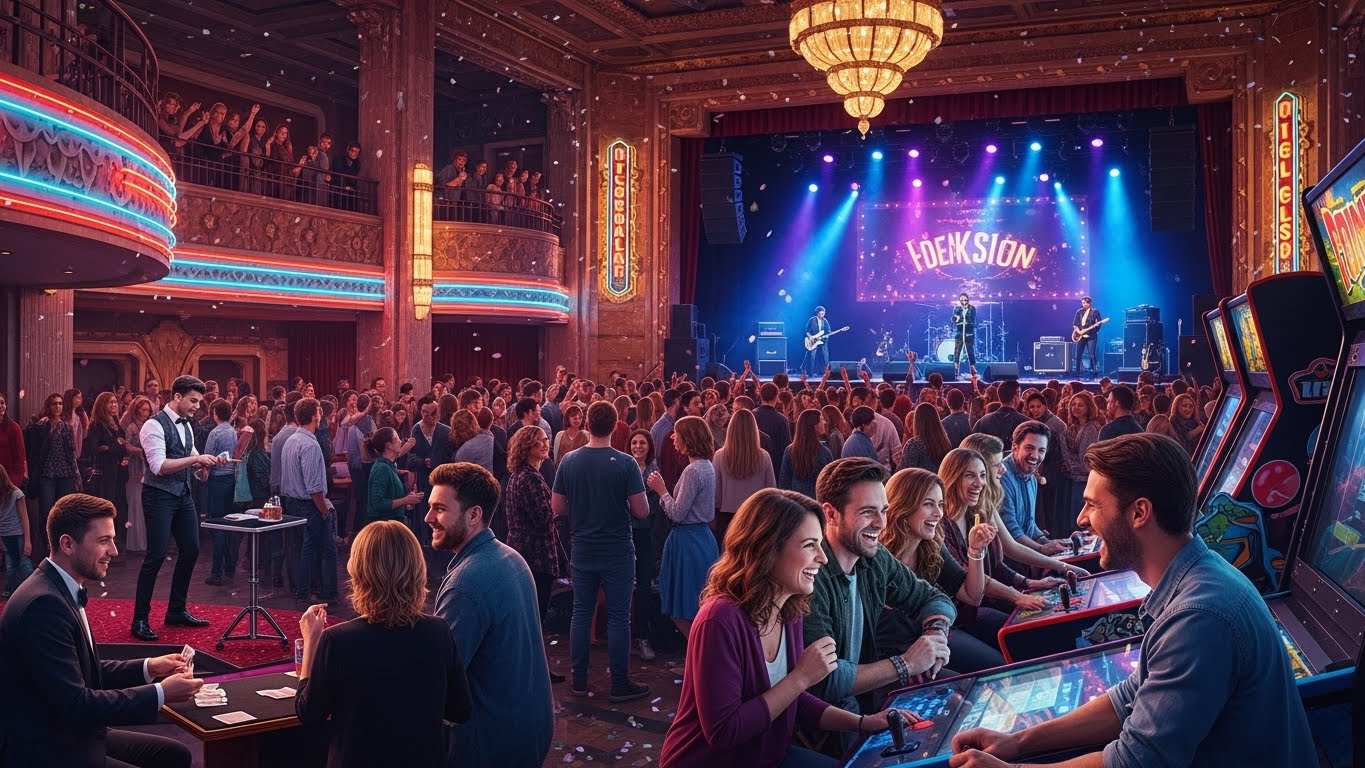
Concerts, whether in vast stadiums or intimate venues, create powerful shared experiences. For those few hours, thousands of people become one, united by rhythm and emotion. That is the magic of music: it transforms sound into memory and connects humanity in a language of the soul.
The Evolution of Television
Television revolutionized how people consumed entertainment. It brought stories, news, and humor into homes, becoming an inseparable part of daily life. From black-and-white screens to modern smart TVs, it has continually evolved to match changing times.
The golden age of television introduced iconic sitcoms, dramas, and variety shows that defined decades. Families would gather each evening to watch their favorite programs together, making TV not just a medium but a social ritual.
Over time, television became more experimental, more daring, and more diverse. Cable networks expanded content beyond traditional genres. Then came the internet and streaming platforms, which completely transformed viewing habits. Today, viewers can watch anything at any time, reshaping the concept of “prime time.”
Television also became a tool of influence. It shaped public opinion, reflected social issues, and helped spread culture across borders. Even in a world of short attention spans and fast content, television remains a dominant form of storytelling — now more interactive, personal, and accessible than ever.
The Digital Age and Streaming Revolution
The twenty-first century ushered in a new era of entertainment — one dominated by the internet. Streaming platforms, online gaming, podcasts, and social media have redefined what it means to be entertained.
Streaming services allow audiences to consume content on demand, eliminating traditional barriers like time and place. A film or series can now reach millions across the globe instantly. This has democratized the entertainment industry, giving independent creators and diverse voices the opportunity to shine.
Social media has blurred the line between celebrity and fan. Anyone can become an entertainer, influencer, or storyteller. Viral videos, memes, and digital trends create cultural moments that unite billions. Entertainment has never been this immediate, this global, or this participatory.
At the same time, the abundance of digital content has created new challenges. Attention has become a precious resource, and creators must constantly innovate to keep audiences engaged. Yet the potential for creativity is endless. Virtual reality, artificial intelligence, and digital artistry are pushing boundaries once thought impossible.
The Rise of Gaming Culture
Video games have grown from simple pixelated fun into a vast and powerful entertainment industry that rivals film and music combined. Gaming is now a cultural phenomenon, with millions of players connecting online, competing professionally, and even earning fame.
Modern games are complex works of art that combine story, music, design, and interactivity. They allow players to experience narratives from a first-person perspective, creating emotional connections unlike any other medium. A game can be thrilling, poetic, or deeply philosophical.
Esports tournaments fill stadiums, drawing audiences comparable to traditional sports. Gamers become celebrities, streamers build communities, and interactive storytelling evolves into a new form of cinematic experience. Gaming is not just entertainment—it is participation.
Moreover, games have educational and therapeutic potential. They improve problem-solving skills, creativity, and teamwork. They offer escapism but also connection, helping players bond across borders and backgrounds. The rise of gaming marks one of the most important shifts in entertainment history—a move from passive watching to active experiencing.
The Role of Celebrities and Pop Culture
Entertainment thrives on personalities—those who capture imagination and embody dreams. Celebrities are more than performers; they are symbols of aspiration, rebellion, and change. Throughout history, public figures in film, music, and sports have influenced everything from fashion to social values.
In earlier eras, fame was distant and mysterious. Fans admired stars on screens or posters. Today, with social media, celebrities are accessible and interactive. They share glimpses of their lives, speak directly to fans, and shape online culture in real time.
Pop culture has become a unifying global language. It defines how generations think, dress, and express themselves. Every decade brings its icons — artists, actors, influencers — who shape identity and inspire creativity. Whether it’s through viral dances, blockbuster films, or chart-topping hits, pop culture keeps entertainment vibrant and ever-changing.
The Emotional Impact of Entertainment
The true power of entertainment lies in its emotional depth. A song can make someone cry; a movie can inspire courage; a book can change a life. Entertainment touches the heart before the mind, leaving a lasting imprint on memory.
It also serves as therapy. In difficult times, people turn to music, movies, and laughter for relief. Comedy lightens burdens, drama fosters empathy, and stories provide hope. Entertainment helps people process complex emotions, connect with others, and understand themselves.
Moreover, it builds communities. Fans of a certain artist or series form global networks that share creativity, support, and belonging. These connections remind us that entertainment is not just about consuming—it’s about participating in something larger than ourselves.
The Future of Entertainment
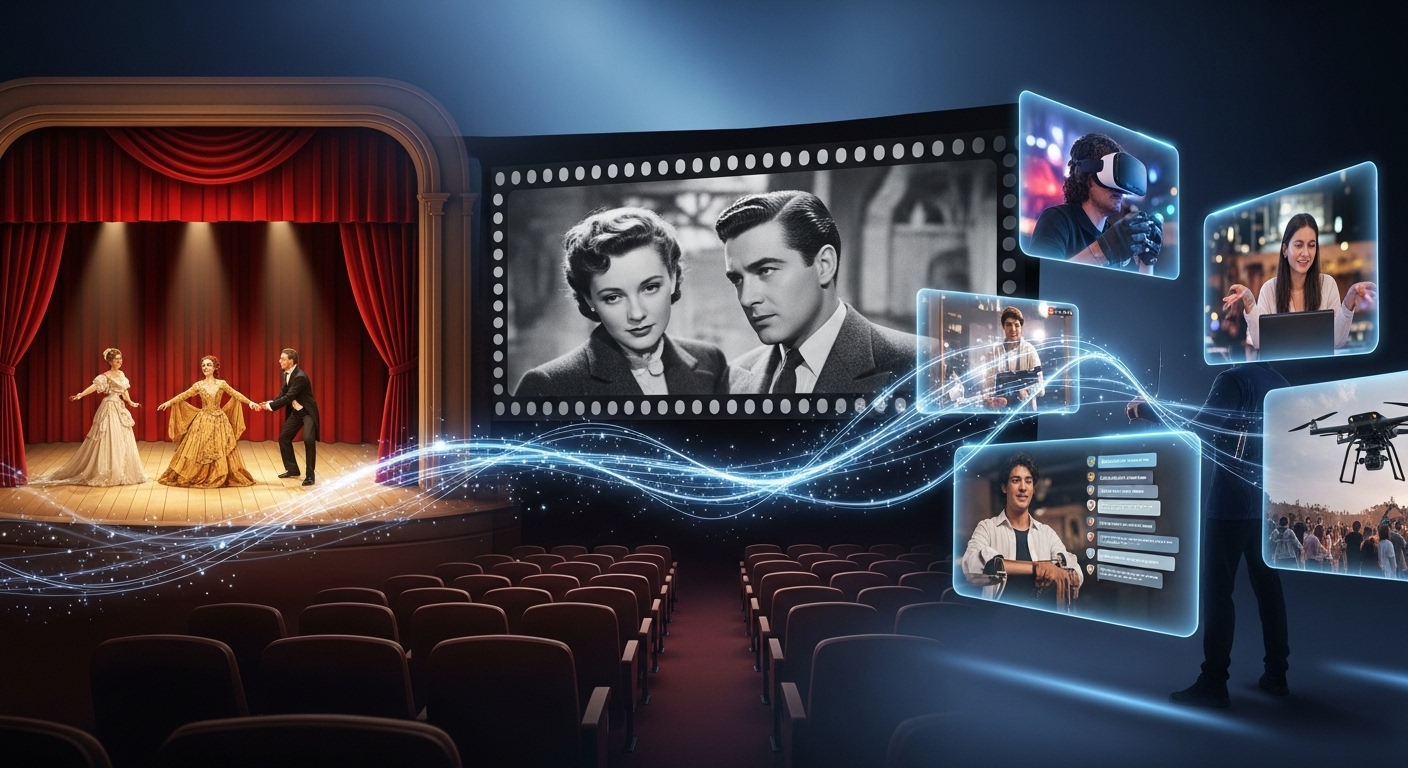
As technology evolves, so will entertainment. Artificial intelligence is already being used to compose music, write scripts, and design visual art. Virtual and augmented reality will transport audiences into immersive digital worlds where the boundaries between fiction and reality blur.
Interactive storytelling will continue to grow, allowing audiences to shape outcomes and experience narratives as participants rather than observers. The metaverse, a shared digital universe, will redefine social entertainment by merging games, concerts, and films into one interconnected experience.
However, even with all the innovation, the heart of entertainment will remain human. The desire to tell stories, express emotion, and connect will always drive creativity. Technology may change the tools, but not the essence.
The future will bring new challenges—ethical questions about AI-generated content, the balance between authenticity and automation, and the sustainability of the entertainment industry. Yet, as history has shown, entertainment will continue to evolve, inspiring generations to dream and imagine.
Conclusion
Entertainment is a reflection of life itself — full of color, rhythm, laughter, and emotion. It is the one language that unites humanity, transcending barriers of culture and time. From ancient music to digital cinema, from live performances to virtual experiences, entertainment remains an endless source of wonder and joy.
It shapes our memories, influences our ideas, and gives us comfort when the world feels heavy. It is an art form, an industry, a social force, and a shared human need. As technology and creativity continue to evolve, entertainment will only grow more dynamic, diverse, and powerful.
In the end, entertainment is not just about what we watch or hear — it is about what we feel. It is the laughter in a crowded theater, the song that defines a summer, the story that changes how we see the world. It is humanity’s greatest escape, and perhaps, its most beautiful creation.