Introduction
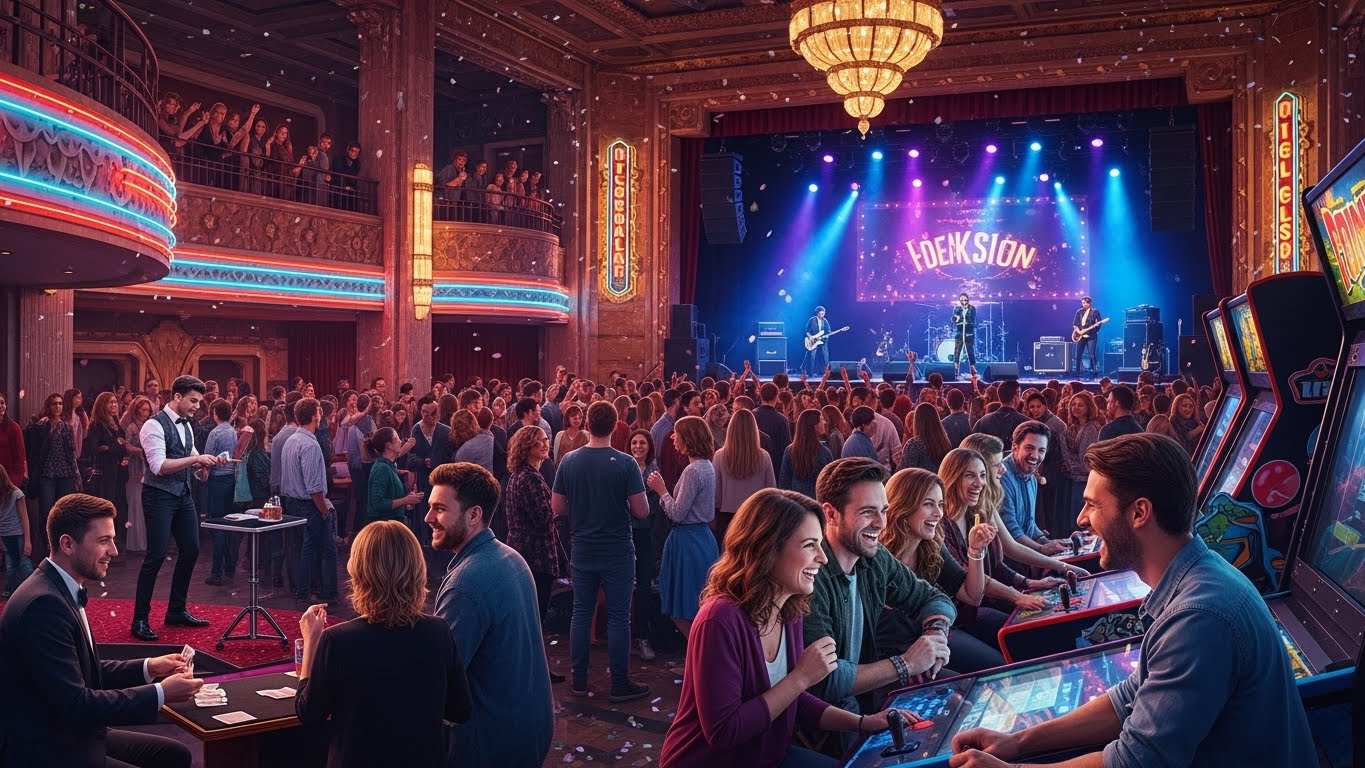
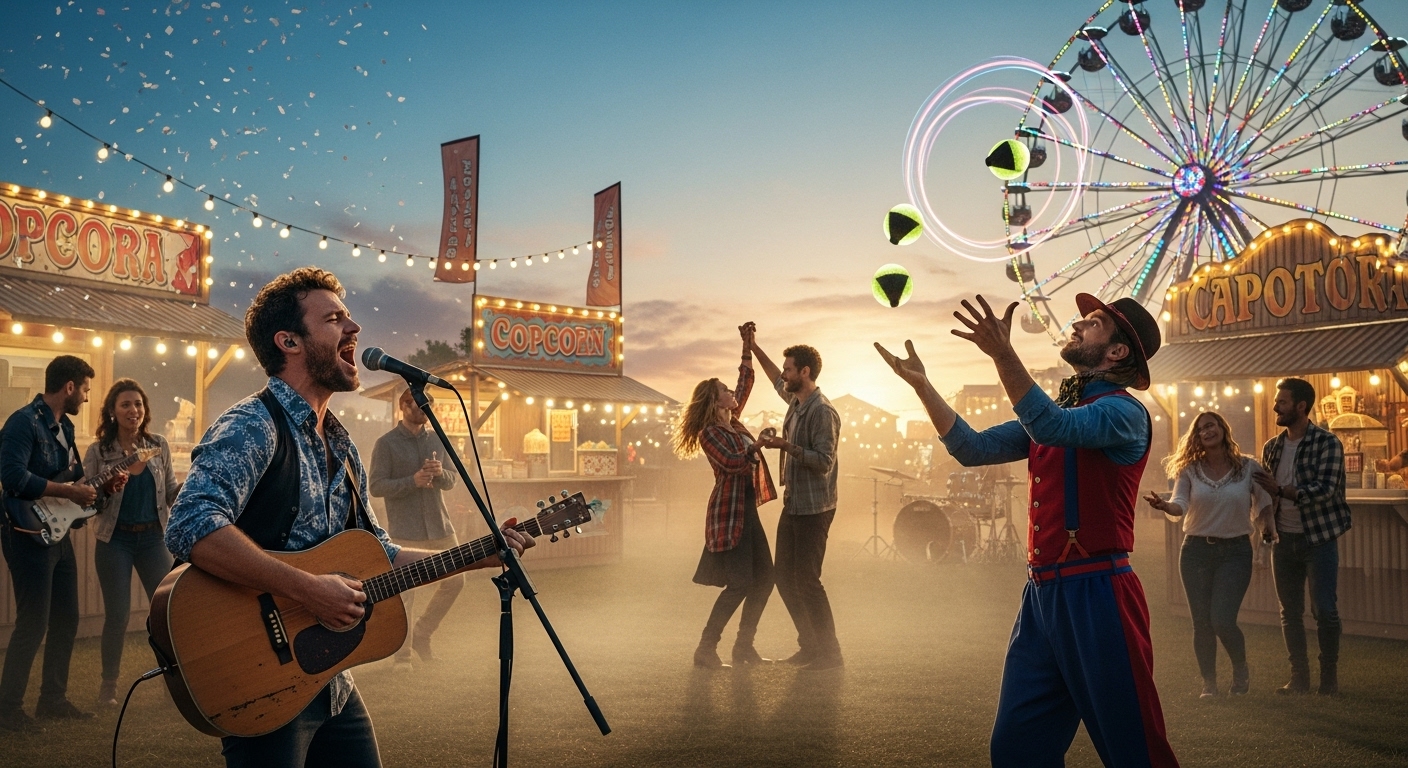
Entertainment is one of the fundamental aspects of human life. Throughout history, people have sought ways to relax, escape, and enjoy themselves through different forms of art, music, games, and stories. However, the entertainment industry is undergoing a massive shift, primarily driven by the rapid advancement of technology. Today, entertainment is no longer confined to traditional forms such as television, radio, or cinema. With the advent of digital media, interactive gaming, and immersive experiences, the way we consume, create, and engage with entertainment has changed beyond recognition. This blog will explore the impact of technology on modern entertainment, the new forms it has introduced, and how these innovations are reshaping the way we live and experience joy.
The Digital Transformation of Entertainment
Not too long ago, entertainment was a scheduled event. People would gather around the television to watch their favorite shows at specific times, or head to the movie theater for the latest blockbuster release. But the digital age has ushered in a revolution in how content is delivered and consumed. With the proliferation of streaming services, on-demand access to content has become the norm.
Platforms like Netflix, Spotify, and YouTube have transformed entertainment consumption into a personalized experience. Viewers are no longer tied to broadcast schedules or physical media like DVDs. Instead, they can access millions of movies, TV shows, songs, and videos at the touch of a button, whenever and wherever they want. This on-demand access to content has disrupted traditional business models, forcing industries to rethink their strategies.
The digital age has also made it possible for creators to bypass traditional distribution channels, directly reaching audiences without the need for intermediaries. Independent filmmakers, musicians, and content creators can now share their work with global audiences through online platforms, democratizing the entertainment industry. This has led to a surge in creativity, with diverse voices from all corners of the world now able to contribute to the cultural conversation.
The Influence of Social Media on Entertainment
In addition to streaming services, social media has become a dominant force in the world of entertainment. Platforms like Instagram, TikTok, and Twitter have not only changed how people interact with one another but also how they engage with content. Social media has given rise to a new kind of celebrity: the influencer.
Unlike traditional celebrities who gained fame through television or film, influencers are often regular people who gain attention through their creative, authentic, or entertaining content. Whether it’s a viral dance on TikTok, a makeup tutorial on YouTube, or a humorous meme shared on Twitter, these creators can amass millions of followers and secure lucrative sponsorships. Social media has redefined fame, with personalities rising to prominence based on their ability to connect with and entertain audiences.
Moreover, social media platforms have created a new form of entertainment where the audience isn’t just a passive consumer but an active participant. Viewers engage with content by liking, commenting, sharing, and even creating their own versions of popular trends. This level of interaction has made social media entertainment more dynamic and personal, with users feeling more connected to the creators they follow.
Gaming: The New Frontier of Entertainment
Gaming has become one of the most lucrative and influential sectors within the entertainment industry. What was once a niche hobby for a small group of enthusiasts has now become a global phenomenon. The gaming industry generates more revenue than both the film and music industries combined. Modern video games are not just about gameplay; they are sophisticated, interactive narratives that blur the lines between art, technology, and entertainment.
The advent of high-definition graphics, open-world environments, and complex storylines has transformed video games into cinematic experiences. Today’s games feature lifelike visuals, dynamic sound design, and intricate plots that rival the best films and television shows. With the rise of online multiplayer games, players are also able to engage with others in real time, forming communities that extend beyond the game itself.
Esports, or competitive gaming, has taken the world by storm. Professional gaming leagues and tournaments are broadcast globally, attracting millions of viewers and offering substantial prize money. Gamers have become stars in their own right, with fanbases that rival those of traditional athletes. Esports has legitimized gaming as a competitive sport, offering career opportunities for players, commentators, and organizers alike.
Furthermore, emerging technologies like virtual reality (VR) and augmented reality (AR) are pushing the boundaries of what games can be. VR allows players to step inside virtual worlds, experiencing games as fully immersive environments, while AR blends the digital and physical worlds, offering new ways to interact with both. As these technologies continue to evolve, gaming will only become more engaging and lifelike, offering entirely new forms of entertainment.
The Impact of Artificial Intelligence on Entertainment
Artificial intelligence (AI) is not only transforming industries like healthcare and finance but is also making a significant impact on entertainment. AI is being used to personalize the entertainment experience, analyzing user behavior to recommend content that suits individual preferences. Whether it’s a movie on Netflix, a playlist on Spotify, or a game on your phone, AI helps tailor the entertainment experience, ensuring that users always have something to watch, listen to, or play.
AI is also being used to generate content. In the world of music, AI algorithms can compose original songs that sound remarkably human. In film, AI is helping to create realistic CGI characters and special effects. Some companies are even experimenting with AI-driven scripts, where the technology writes a story based on certain inputs. While this raises questions about the role of human creativity in the arts, it’s undeniable that AI is opening new possibilities for entertainment creation.
In addition, AI is enhancing how we engage with live performances. Virtual assistants and chatbots are being used in the entertainment industry to answer fan questions, provide personalized recommendations, and even sell tickets. This integration of AI into live entertainment and customer service is making experiences more efficient and enjoyable for audiences.
Virtual Reality: A New Era of Immersive Entertainment
Virtual reality (VR) has taken entertainment to a whole new level, allowing users to immerse themselves in entirely digital worlds. VR headsets transport players to lifelike environments where they can interact with the surroundings as if they were physically present. In gaming, VR offers a completely new way to experience interactive storytelling, making players active participants in the narrative rather than passive observers.
But VR is not limited to gaming. It is being used in movies, concerts, and even art galleries to offer immersive experiences that engage the audience on a deeper level. Imagine watching a live concert where the performer appears to be right in front of you, or walking through a virtual museum where you can interact with artworks in 3D. VR is expanding the boundaries of what entertainment can be, creating experiences that are far more engaging and memorable than traditional media.
Moreover, VR has the potential to revolutionize education and training by providing simulated environments where people can learn through experience. This could range from virtual classrooms to immersive job training programs, further blurring the lines between entertainment and education.
The Evolution of Music and Live Performances
Music has always been a major form of entertainment, and technology has continually pushed the boundaries of how we produce, consume, and experience music. The advent of digital platforms like Spotify and Apple Music has made music more accessible than ever, allowing listeners to enjoy vast libraries of songs from anywhere in the world.
Moreover, technology has revolutionized how artists create music. Digital audio workstations (DAWs), synthesizers, and virtual instruments have allowed musicians to experiment with new sounds and production techniques that would have been impossible just a few decades ago. The rise of music streaming has also enabled independent artists to distribute their work without the need for a record label, empowering them to connect with global audiences.
Live performances have also been transformed by technology. Concerts now feature stunning visual effects, synchronized lighting, and 3D projections, enhancing the overall experience for the audience. Additionally, live streaming has made it possible for fans to watch performances in real-time from anywhere, creating new opportunities for artists to engage with their fans.
The Future of Entertainment: What Lies Ahead?
The future of entertainment is both exciting and unpredictable. As technology continues to evolve, new forms of entertainment will emerge that we cannot yet fully imagine. The rise of the metaverse—a fully immersive virtual universe where people can interact, play, and socialize—is one such possibility. In the future, we may see entertainment that transcends physical reality, blending virtual and real-world experiences in ways that were once thought impossible.
Moreover, advancements in artificial intelligence, machine learning, and data analytics will continue to shape the entertainment landscape. Content will become even more personalized, with algorithms predicting what we want to watch, listen to, or play before we even know it ourselves. The integration of AI, VR, and other technologies will lead to more interactive, immersive, and engaging entertainment experiences.
However, these technological advances also present challenges. Issues of privacy, security, and the potential loss of human creativity must be carefully considered. As we enter this new era of entertainment, it will be important to strike a balance between innovation and responsibility.
Conclusion
Technology has forever changed the way we experience entertainment. From the rise of streaming platforms to the advent of virtual reality and artificial intelligence, the digital revolution has reshaped every aspect of the entertainment industry. Today, we have more control over the content we consume, more opportunities for creativity, and more ways to connect with others than ever before.
As technology continues to evolve, so too will entertainment. The future promises even more immersive, personalized, and interactive experiences that will blur the lines between the digital and physical worlds. Ultimately, technology will not just change how we consume entertainment—it will change the way we live, work, and connect with one another.