
Introduction: The Ever-Present Role of Entertainment
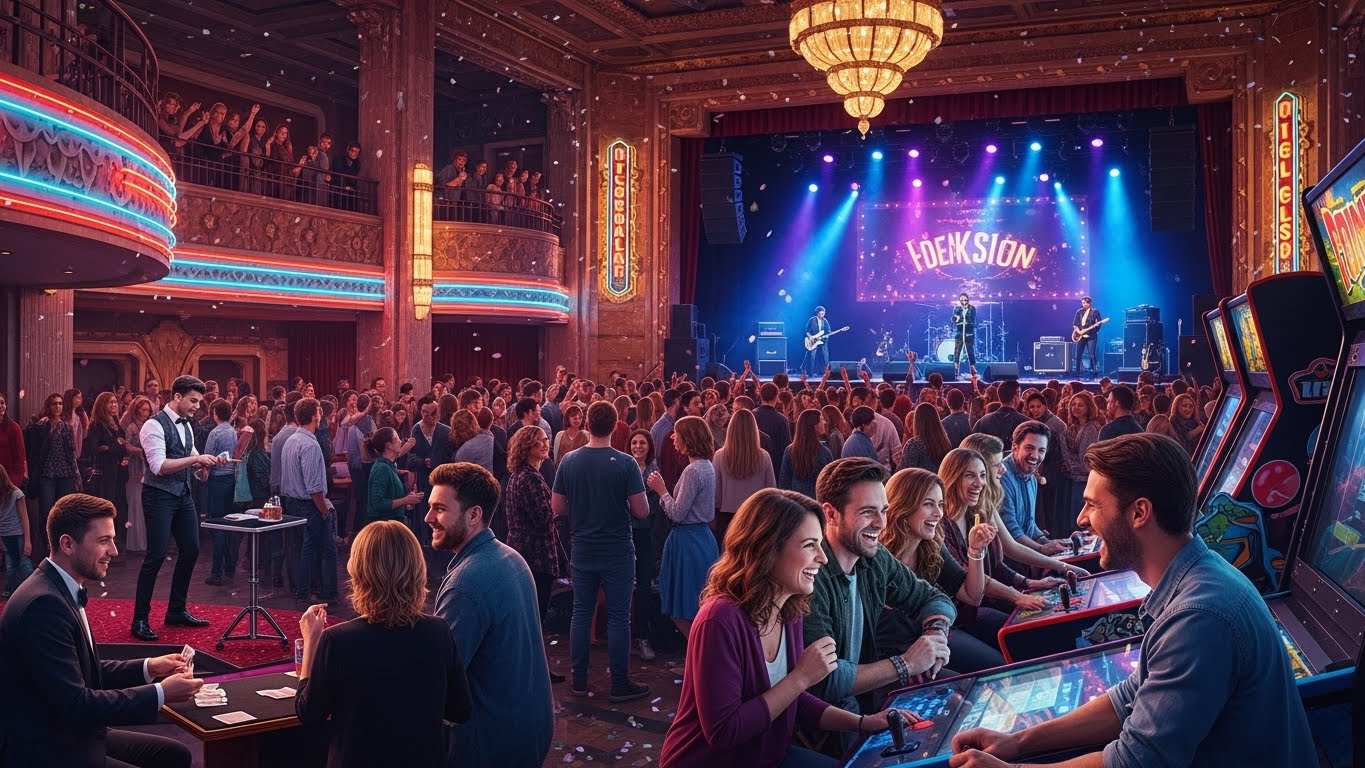
Entertainment is more than a simple way to pass the time; it is a reflection of human creativity, emotion, and culture. From ancient rituals and oral storytelling to modern streaming platforms and immersive gaming, people have always sought ways to escape reality, connect with others, and explore new ideas. Today, entertainment encompasses films, music, social media, podcasts, gaming, and live performances, influencing the way we think, feel, and interact. Its impact reaches far beyond leisure, affecting our emotions, social connections, and even cultural understanding.
The Historical Evolution of Entertainment
The history of entertainment mirrors the evolution of human society. In early civilizations, people gathered for communal storytelling, music, and dance. These performances were both educational and recreational, preserving traditions and passing down knowledge. The advent of theater and literature allowed stories to be recorded and shared across generations, while musical instruments and performances enriched cultural expression.
With the invention of cinema, radio, and television, entertainment transformed into a mass experience. Films and radio broadcasts connected audiences across vast distances, creating shared cultural moments. The arrival of the internet further accelerated this transformation, enabling on-demand access to diverse forms of entertainment and interactive engagement.
Streaming Platforms: Redefining Viewing Habits
The rise of streaming services has dramatically altered how we consume visual content. Unlike traditional television, streaming allows viewers to watch what they want, when they want, without adhering to schedules. This flexibility has created a culture of binge-watching, where entire seasons of a show can be consumed in a single sitting.
Streaming platforms have also democratized entertainment production. Independent creators, niche storytellers, and international filmmakers now have a stage to share their work with global audiences. This expansion has diversified content, allowing viewers to experience stories and perspectives that were previously inaccessible. The ability to choose content based on personal interest has made entertainment more immersive and customized than ever.
Gaming: The Interactive Entertainment Revolution
Video games have evolved far beyond simple pastimes into a dominant form of entertainment. Modern games rival blockbuster movies in terms of graphics, narrative depth, and emotional engagement. Unlike passive media, games allow players to actively participate in the story, making choices that shape outcomes and foster deeper emotional investment.
Online multiplayer games create communities that span continents. Gamers collaborate, compete, and form friendships, establishing social networks within virtual worlds. The rise of esports has further legitimized gaming as a mainstream entertainment industry, attracting millions of viewers to competitive events. Games also serve as creative outlets, allowing players to design avatars, build environments, and explore limitless imaginative landscapes.
Music: A Universal Form of Expression
Music continues to be one of the most influential and enduring forms of entertainment. It transcends language, culture, and geography, connecting people through shared rhythms and emotions. The digital era has made it easier than ever to discover new artists, genres, and global sounds, creating personalized listening experiences for every individual.
Live performances remain a vital part of music culture. Concerts, festivals, and intimate gigs allow audiences to experience energy, emotion, and connection in real time. Virtual concerts and online music events have expanded access, allowing fans to participate from anywhere in the world. Music’s power to evoke emotion, nostalgia, and inspiration ensures its ongoing significance in modern entertainment.
Social Media: Entertainment in the Age of Instant Sharing
Social media has transformed everyday life into a continuous source of entertainment. Platforms filled with videos, memes, live streams, and challenges capture attention constantly, turning mundane moments into global content.
Influencers and content creators have become central to this new entertainment ecosystem. They shape trends, produce viral content, and engage audiences directly. Short-form video content has redefined storytelling, emphasizing creativity and immediacy. Social media blurs the lines between creators and consumers, allowing anyone with an idea to reach millions of viewers in minutes. This immediacy and diversity have fundamentally changed how audiences interact with entertainment.
Cinema: The Magic of the Big Screen
Even in the digital age, cinema remains a cherished form of entertainment. The immersive experience of a theater—the giant screen, surround sound, and collective audience reactions—cannot be replicated at home. Filmmakers continue to innovate with visuals, sound, and narrative structures to captivate viewers.
Cinema also serves as a reflection of society. Films can document history, explore social issues, and delve into human emotion, helping audiences understand perspectives beyond their own. The theatrical experience remains a powerful way to engage with stories, even as home streaming becomes increasingly popular.
Podcasts: A Personal and Portable Form of Entertainment
Podcasts have emerged as a versatile and intimate form of entertainment. They offer storytelling, interviews, news, and discussions in a portable format, allowing audiences to listen while commuting, exercising, or relaxing.
The appeal of podcasts lies in their conversational style. Listeners often develop a sense of personal connection with hosts, creating a unique bond. True crime series, lifestyle podcasts, educational discussions, and comedy shows provide both entertainment and enrichment. Audio storytelling is increasingly popular because it allows audiences to engage while multitasking, blending entertainment seamlessly into daily life.
The Psychological and Social Impact of Entertainment
Entertainment is not just a source of enjoyment; it also has profound psychological and social effects. Movies, music, and games provide an outlet for stress relief, emotional exploration, and imagination. They can inspire empathy, enhance creativity, and improve cognitive skills.
Shared entertainment experiences strengthen social bonds. Families gather to watch shows together, friends connect through online games, and communities form around music, films, and fandoms. In this way, entertainment fosters belonging and connection, making it a vital component of human well-being.
The Future of Entertainment
The future of entertainment promises unprecedented innovation. Virtual reality, augmented reality, and artificial intelligence are already reshaping storytelling, gaming, and music experiences. Virtual concerts, interactive films, and AI-generated content are changing how audiences engage with entertainment.
Despite technological advances, the core of entertainment will remain the same: stories, emotions, and human connection. Technology enhances how content is delivered and experienced, but the desire to be entertained, inspired, and connected will always drive consumption.
Conclusion: Entertainment as a Lens to Humanity
Modern entertainment is a complex, multi-dimensional force that touches every aspect of life. It spans the immersive worlds of gaming, the emotive power of music, the immediacy of social media, and the timeless appeal of cinema. Entertainment allows people to escape, connect, and imagine while reflecting culture, society, and creativity.
As technology evolves, entertainment will continue to innovate and expand, offering new ways to experience stories and connect with others. Beyond the screens, sounds, and performances, entertainment is ultimately a celebration of human creativity, emotion, and the enduring desire to share experiences with one another.