
Entertainment is one of the most powerful and pervasive forces in human life. From storytelling around ancient fires to today’s digital streaming platforms, entertainment has evolved alongside humanity, reflecting our desires, culture, and creativity. It serves as a source of joy, education, social connection, and emotional release. In an era dominated by technology, entertainment continues to shape our world, influencing how we think, feel, and interact with one another.
This blog explores the evolution, impact, and future of entertainment, examining why it has become an integral part of our daily lives.
The Evolution of Entertainment
The concept of entertainment is as old as humanity itself. In prehistoric times, storytelling, music, and dance were central to community life, providing both amusement and a means to pass knowledge across generations. Ancient civilizations expanded these forms, creating theater, festivals, and public spectacles that combined performance, ritual, and social bonding.
The invention of printing and written language enabled literature to flourish. Books, plays, and poetry allowed ideas to transcend space and time, offering mental and emotional engagement. The 20th century brought transformative developments, including cinema, radio, and television, making entertainment accessible to the masses.
With the advent of the internet, entertainment entered a new era. Streaming platforms, social media, video games, podcasts, and virtual experiences now provide instant access to content, allowing individuals to engage with stories and performances whenever and wherever they choose.
Entertainment as a Reflection of Culture
Entertainment does more than amuse; it reflects the values, struggles, and aspirations of society. Movies, music, and theater often address cultural and social issues, providing insight into historical and contemporary life. Popular media can influence fashion, language, and social norms, shaping collective identity across generations.
Games, television, and films also serve as mirrors of human experience, exploring themes of love, conflict, morality, and triumph. They allow audiences to engage with different perspectives, encouraging empathy and understanding. Entertainment is therefore both a product of culture and a tool for cultural transmission.
The Psychology of Entertainment
At its core, entertainment engages the mind and emotions. Humans are naturally drawn to stories, music, and play because they stimulate curiosity, imagination, and emotional responses.
Entertainment provides an escape from daily life, reducing stress and offering mental rejuvenation. A compelling movie, immersive game, or captivating song can transport individuals to new worlds, allowing them to temporarily set aside worries. This escape is not mere indulgence; it serves as a vital coping mechanism, offering relaxation and emotional balance.
Furthermore, entertainment triggers a range of psychological responses. Comedies stimulate laughter and joy, dramas evoke empathy and reflection, and interactive experiences like gaming provide a sense of achievement and control. This emotional engagement is what makes entertainment memorable and meaningful.
Social Dimensions of Entertainment
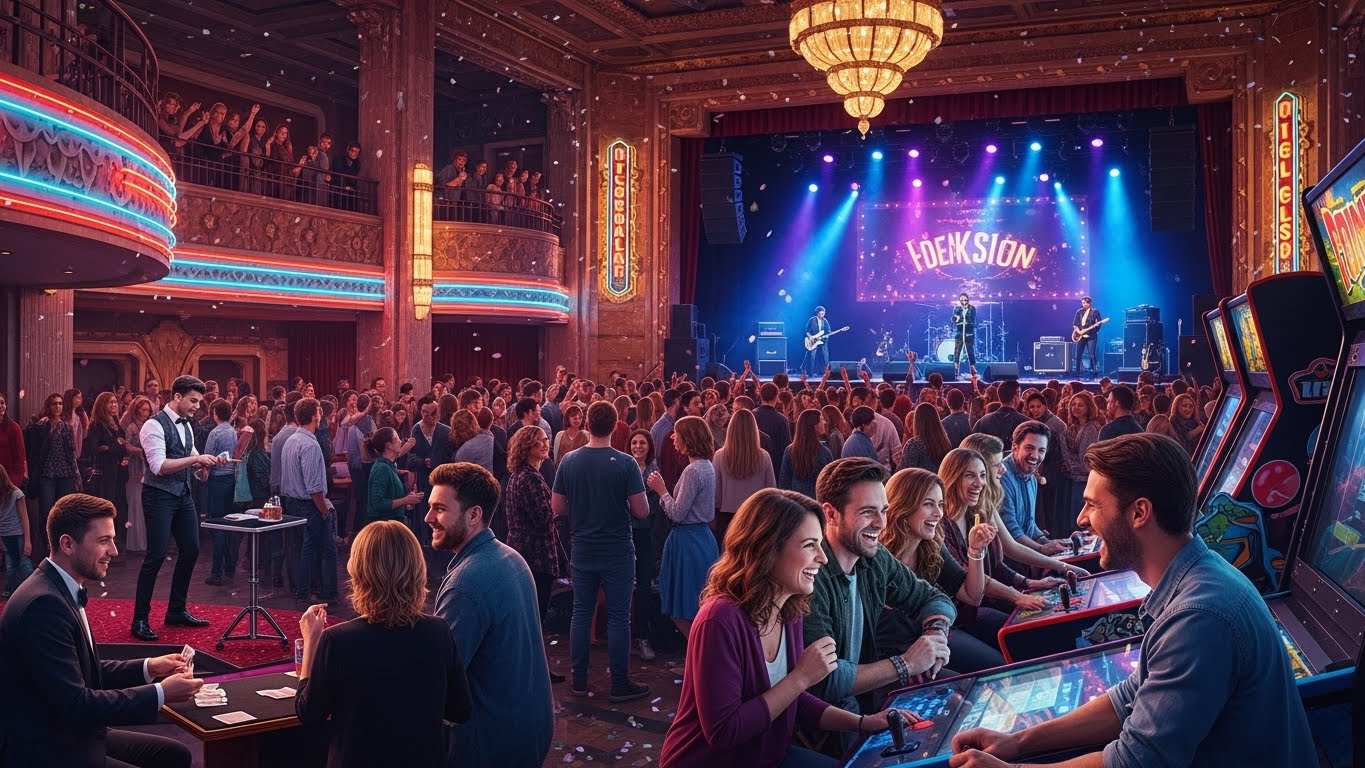
Entertainment also plays a crucial role in building social connections. Shared experiences, such as attending concerts, watching a film, or participating in a game, foster a sense of community. These moments create opportunities for bonding, conversation, and collaboration.
Digital platforms have expanded the social dimension of entertainment. Online multiplayer games, streaming platforms, and social media allow people to connect across distances, forming communities around shared interests. Fans can discuss stories, create content, and even interact with creators, blurring the line between consumption and participation.
Entertainment, therefore, is not only personal but also profoundly social, connecting people through shared enjoyment and collective engagement.
Entertainment and Education
Contrary to outdated perceptions, entertainment has significant educational potential. Edutainment—content that combines education and entertainment—makes learning enjoyable and effective. Documentaries, historical dramas, educational games, and interactive simulations help people understand complex subjects in an engaging way.
Educational entertainment promotes curiosity, critical thinking, and problem-solving skills. It encourages learners to explore new ideas, experiment, and retain knowledge more effectively than traditional methods. In classrooms, gamification techniques use game mechanics to enhance engagement, while museums, online platforms, and virtual reality experiences provide immersive, hands-on learning opportunities.
Technology as a Catalyst for Entertainment
Technology has transformed how entertainment is created, delivered, and consumed. Digital innovation has expanded accessibility, interactivity, and creativity. High-quality graphics, advanced sound engineering, and immersive virtual experiences enhance the depth and realism of content.
Streaming services have revolutionized consumption, allowing audiences to access vast libraries of films, music, and games on demand. Mobile devices have made entertainment portable, ensuring engagement is no longer confined to specific spaces. Artificial intelligence and algorithms personalize recommendations, introducing users to content aligned with their preferences.
Virtual reality and augmented reality represent the next frontier, enabling interactive experiences that blend the digital and physical worlds. From immersive concerts to interactive storytelling, technology continues to push the boundaries of what entertainment can achieve.
Entertainment and Emotional Wellbeing
Engaging with entertainment positively impacts mental and emotional health. Music, films, and games can reduce stress, boost mood, and promote relaxation. Interactive experiences encourage problem-solving, creativity, and social interaction, all of which contribute to cognitive and emotional resilience.
Physical activity-based entertainment, such as dance games or interactive fitness apps, combines exercise with fun, promoting both mental and physical wellness. Furthermore, narrative-driven content allows individuals to explore emotions, confront challenges vicariously, and develop empathy, enhancing overall emotional intelligence.
Economic Impact of Entertainment
The entertainment industry is a major economic driver. It encompasses film, television, music, gaming, sports, live performances, and digital content. Globally, it generates billions in revenue annually, providing employment in creative, technical, and operational roles.
The industry also spurs innovation in technology, marketing, and content creation. Advancements in digital streaming, gaming platforms, virtual reality, and artificial intelligence often originate from the demands of entertainment. Cultural tourism, merchandise, and associated businesses further amplify economic contributions.
Entertainment’s financial impact demonstrates its dual role as both a cultural and economic powerhouse.
Challenges Facing the Entertainment Industry
Despite its growth and influence, the entertainment sector faces several challenges. Content saturation makes it difficult for creators to capture audience attention, while excessive screen time raises concerns about physical and mental health.
Representation and diversity remain important issues. Historically, many forms of entertainment have underrepresented marginalized groups. While progress has been made, ensuring inclusive content is essential for meaningful engagement.
Additionally, digital platforms raise questions about data privacy, intellectual property rights, and ethical monetization. Balancing innovation, accessibility, and ethical responsibility remains a key challenge for creators and providers.
The Future of Entertainment
The future of entertainment promises continued innovation, interactivity, and global connection. Artificial intelligence will personalize experiences and enable adaptive storytelling. Virtual reality and augmented reality will provide immersive, participatory experiences, transforming how audiences engage with content.
Cross-platform integration will allow entertainment to blend social, gaming, educational, and creative experiences seamlessly. Interactive storytelling, live virtual events, and collaborative content creation will redefine the audience’s role, making them active participants rather than passive consumers.
Global collaboration and digital distribution will expand access, allowing diverse voices and perspectives to shape content. As technology and creativity converge, entertainment will continue to reflect, challenge, and inspire society.
Conclusion
Entertainment is far more than a leisure activity; it is a fundamental aspect of human life. It engages emotions, inspires creativity, builds social connections, and drives cultural expression. From ancient storytelling to modern digital platforms, entertainment has evolved to meet the changing needs of society while maintaining its core purpose: to inspire, delight, and connect.
The combination of psychological engagement, social interaction, technological innovation, and cultural influence makes entertainment a dynamic and essential part of modern life. It promotes emotional wellbeing, intellectual curiosity, and social cohesion, while contributing to economic growth and technological advancement.
As the industry continues to evolve, entertainment will remain a vital force in shaping how we experience the world. It is both a mirror and a driver of culture, a tool for learning, and a source of joy. In a fast-paced and ever-changing world, entertainment offers continuity, connection, and the timeless pleasure of shared human experience.