
Entertainment has always been a fundamental part of human culture. From ancient rituals and live performances to today’s digital marvels, it has evolved in tandem with technological advancements and shifting societal preferences. The past few decades have seen a massive transformation in the way we consume entertainment, driven largely by technological innovation and changes in how we live and interact with the world.
This article delves into the modern entertainment landscape, exploring the journey from traditional forms of entertainment to today’s digital ecosystem. Along the way, we will look at the influences shaping this transition and the impact it has had on audiences, industries, and creators.
Traditional Entertainment: The Foundation of Modern Culture
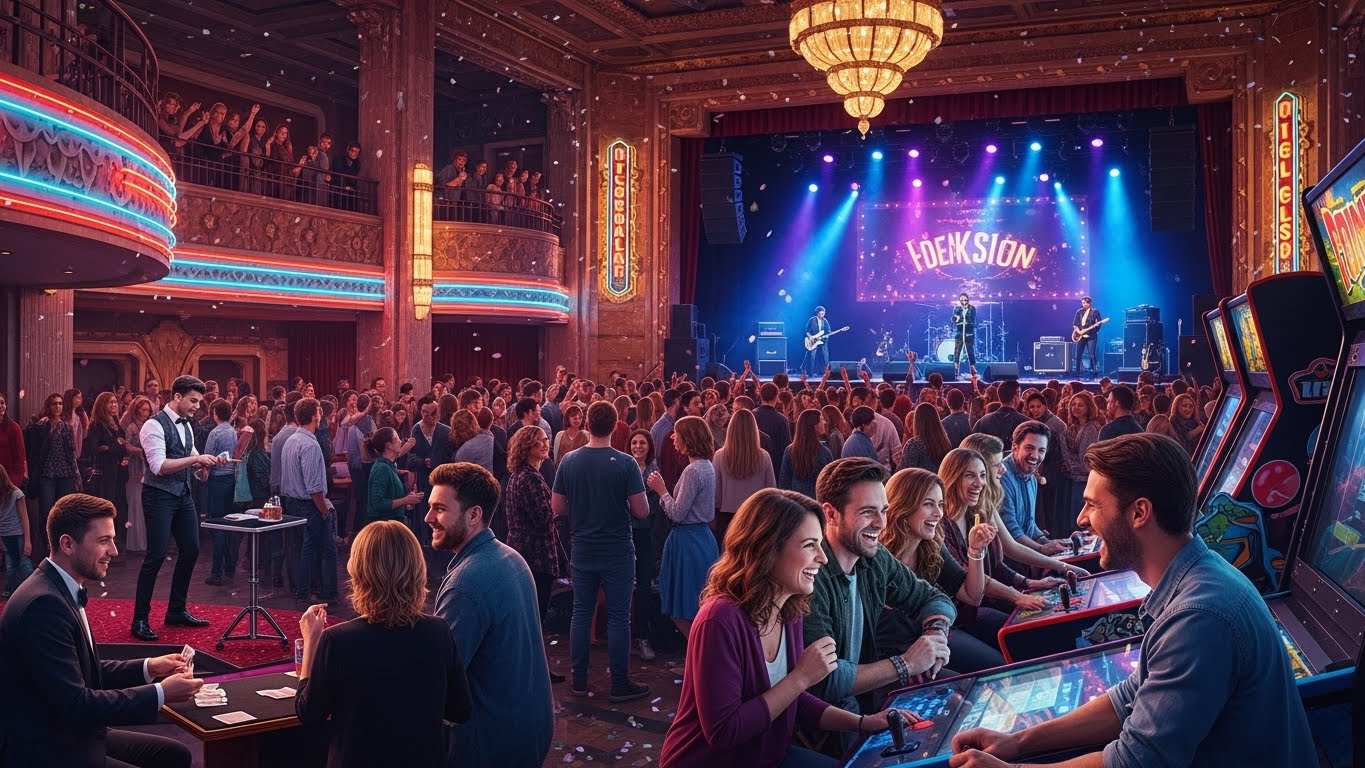
Before the digital revolution, entertainment was an experience shaped by tangible forms—live theater, radio broadcasts, film screenings, and physical media such as books, vinyl records, and tapes. People would gather at theaters for a night out, or listen to their favorite radio stations to catch up on the latest hits.
In the early 20th century, cinema emerged as one of the most significant forms of entertainment. The golden age of Hollywood produced some of the most iconic films that continue to be revered today. Movie-going was an event; families dressed up and made a night of it, enjoying a shared cultural experience that was almost sacred. Radio, too, played a crucial role in connecting people to music, news, and entertainment. Shows like “The Shadow” and “Fibber McGee and Molly” captivated audiences, creating stars before television even existed.
Television was the next great leap in home entertainment. When it became widely available in the 1950s, it revolutionized the way people spent their free time. For decades, television held a monopoly on leisure activities, with families gathering around the TV to watch their favorite shows, news, and movies. Live broadcasts, sitcoms, dramas, and variety shows defined the entertainment experience for millions of people.
In the late 20th century, VHS tapes and CDs allowed people to enjoy their favorite movies and music from the comfort of their homes, giving rise to the era of home entertainment. This era further cemented the idea that entertainment was best enjoyed in a shared family environment or a movie theater.
The Digital Shift: The Dawn of Streaming
The arrival of the internet and digital technologies in the late 20th and early 21st centuries would forever change the landscape of entertainment. The transformation began slowly but rapidly gained momentum with the advent of streaming services, file-sharing platforms, and online content creators.
One of the first and most influential changes in how entertainment was consumed came in the form of music. The introduction of the MP3 format made it easier than ever to store and share music digitally, giving rise to platforms like Napster, which allowed users to exchange music files. This soon led to the mainstream acceptance of digital music platforms, with services like iTunes and Spotify allowing people to access music on-demand without ever leaving their homes.
Simultaneously, digital streaming for movies and TV shows began to take off. Netflix, originally a DVD rental service, shifted its focus to streaming in 2007 and soon became the dominant force in entertainment. This marked the beginning of what we now know as the “streaming revolution.” No longer tied to broadcast schedules or physical copies, viewers could access content at any time from anywhere. Netflix, Hulu, Amazon Prime, and Disney+ would go on to dominate the space, giving audiences more control over when and how they consumed media.
Streaming offered a more personalized entertainment experience. Algorithms and recommendations based on viewing habits allowed users to discover new content with ease, leading to a surge in binge-watching. This was a stark contrast to the old model where viewers had to plan their schedule around a network’s programming.
The Rise of Social Media and User-Generated Content
The growth of social media platforms like YouTube, Instagram, TikTok, and Facebook has been equally transformative in the entertainment industry. These platforms have not only changed how people communicate but also redefined what it means to be an entertainer. In the past, fame and fortune in entertainment were typically reserved for actors, musicians, and other traditional celebrities. Today, however, anyone with a smartphone and an internet connection can create viral content and potentially become famous.
YouTube, in particular, played a key role in democratizing entertainment. Aspiring creators could upload videos on virtually any topic, from beauty tutorials to video game commentary, attracting large audiences without the need for a major studio or agent. Influencers and content creators quickly rose to fame, giving rise to new careers and industries. The phenomenon of “vlogging” brought real, unfiltered experiences to the masses, while platforms like TikTok fueled the rise of short-form, snappy content that captures fleeting attention spans.
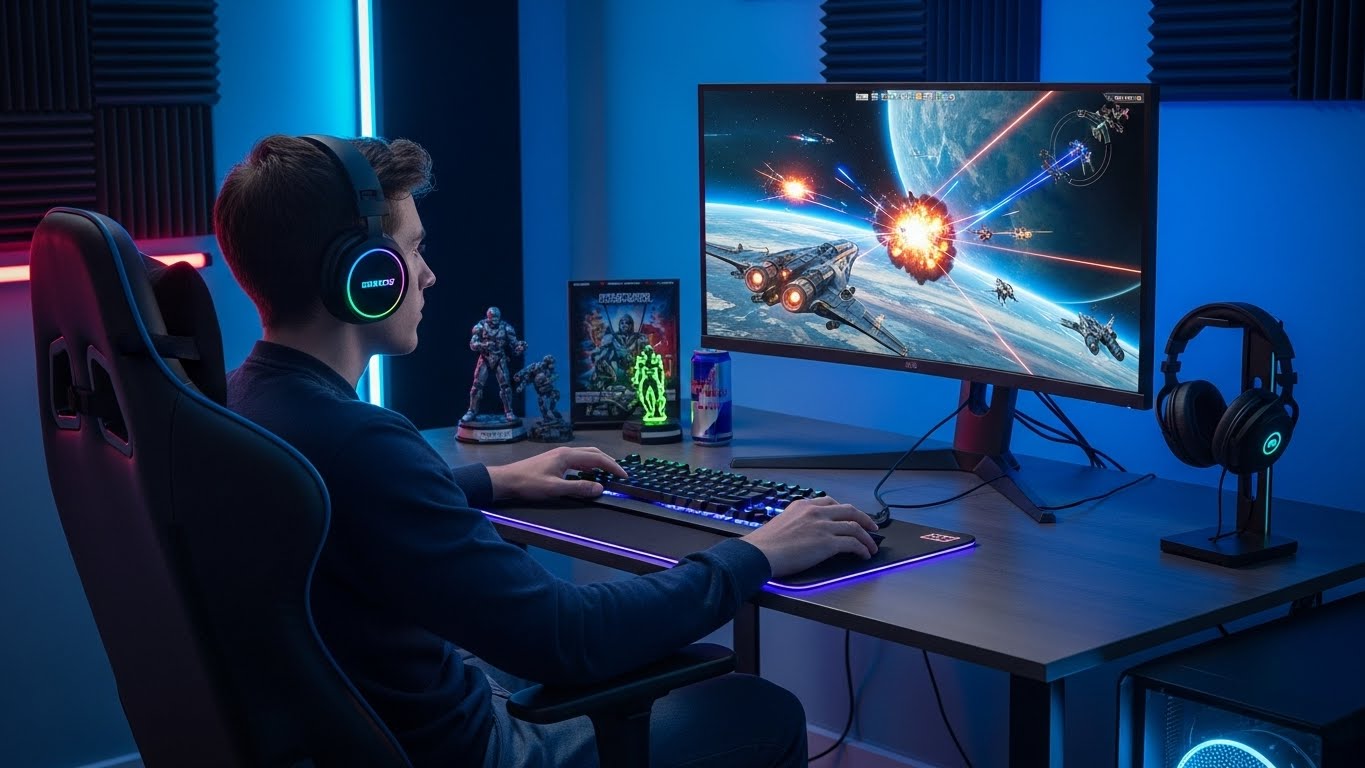
Social media has also given rise to new forms of live entertainment. Platforms like Twitch, which started primarily as a gaming platform, have expanded to include live-streaming in various genres, from music performances to cooking shows. Users can now watch their favorite creators interact with audiences in real time, making entertainment feel more personal and interactive.
The Impact of Technology on Entertainment
Technology continues to shape the entertainment landscape in profound ways. Virtual reality (VR), augmented reality (AR), and artificial intelligence (AI) are just some of the innovations that are revolutionizing how content is created and consumed.
Virtual reality and augmented reality have opened new possibilities in gaming and immersive experiences. VR has allowed players to step into entirely new worlds, while AR has started to make waves in interactive media, blending the digital world with physical spaces. Games like Pokémon GO have demonstrated the potential of AR to engage users in ways that were once only dreamed about in science fiction.
Artificial intelligence is making its presence felt in content creation, from AI-generated music to deepfake videos. AI algorithms can now help in the writing of scripts, composing music, or even designing sets and characters. For example, some of the most recent hit TV shows and films have used AI to create visual effects and refine special effects to an astonishing level of detail.
In the gaming world, AI is already being used to create smarter, more responsive NPCs (non-player characters) and more immersive storylines. AI-driven recommendations on streaming platforms have transformed the way viewers discover new content, personalizing the experience and ensuring that no two users see the same options.
The Future of Entertainment: What Lies Ahead?
Looking toward the future, the entertainment industry will continue to evolve. One thing is certain: entertainment will only become more personalized, interactive, and immersive. Virtual reality and augmented reality could play a larger role, with viewers stepping into their favorite movies or games in ways that are currently impossible. AI is likely to become even more ingrained in content creation, with machines helping to craft stories and experiences that appeal to an ever-diversifying audience.
The line between entertainment and other aspects of life will also continue to blur. In the not-too-distant future, we might see experiences that combine entertainment, work, and education, as virtual spaces become more commonplace. Interactive movies, live theater performances in VR, and games that allow users to make real-world decisions could all play a bigger role in shaping how we engage with entertainment in the years to come.
Moreover, as streaming services continue to grow, the demand for content will only intensify. This has already led to a boom in original content production. Major studios, networks, and even tech companies are investing heavily in creating exclusive shows and movies that will keep viewers coming back for more. This trend is likely to continue, leading to an ever-increasing number of streaming platforms, each vying for audience attention.
Conclusion
The entertainment industry has undergone a massive transformation in the last few decades. From the days of radio and television to the rise of streaming platforms, the way we consume content has shifted dramatically. Technology has made entertainment more accessible, personalized, and interactive, creating a landscape that offers endless possibilities.
As we continue to move into the future, it is clear that the entertainment world will keep evolving, with even more exciting innovations on the horizon. While the traditional forms of entertainment will always hold a special place in our hearts, it’s impossible to ignore the growing influence of digital platforms and emerging technologies. For both creators and audiences, this is an exciting time to be part of an industry that is constantly changing and reshaping the way we experience art, culture, and entertainment.