Introduction: The Ever-Changing Landscape of Entertainment
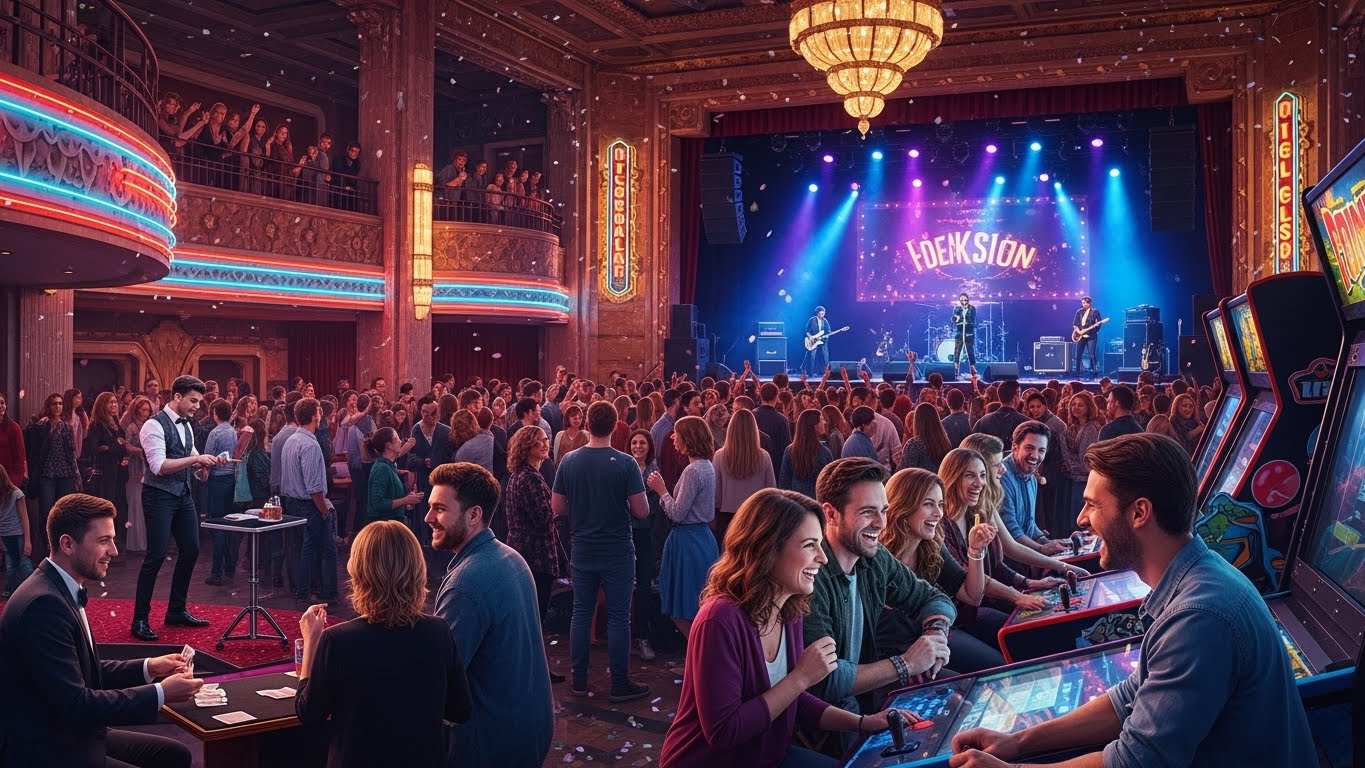
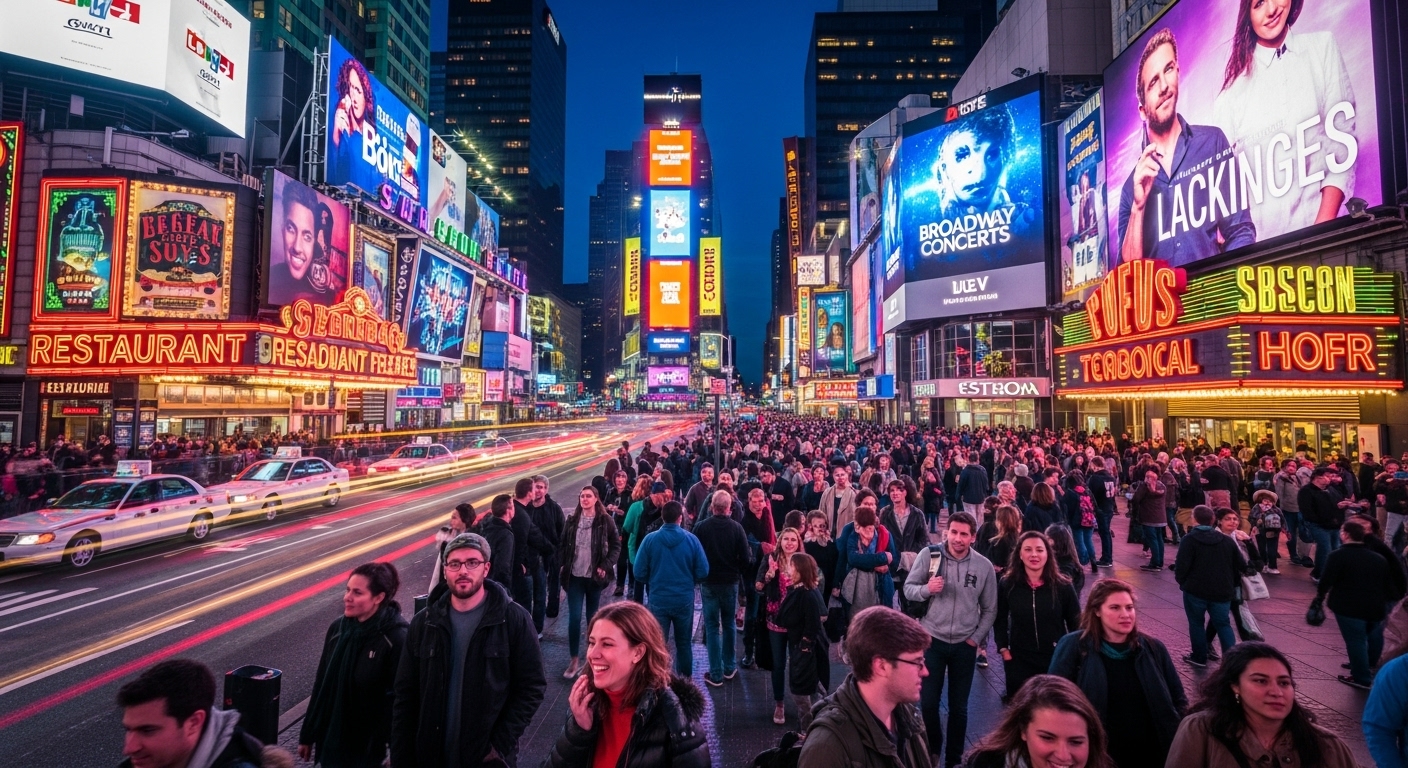
Entertainment has always been an essential part of human life, evolving in response to our shifting cultural, technological, and social landscapes. From the earliest forms of storytelling around campfires to the immersive digital experiences we indulge in today, the ways in which we seek amusement have transformed remarkably. The journey of entertainment is not just a reflection of our evolving tastes, but also an insight into the nature of human connection, creativity, and even the societal changes that have shaped our world.
In this blog post, we’ll explore the rich history of entertainment, track its development over time, and analyze how contemporary entertainment, especially digital media, has reshaped how we experience joy, excitement, and culture.
The Dawn of Entertainment: Ancient Beginnings
Entertainment is often thought of as a modern concept, but it has its roots in ancient civilizations. In fact, the very essence of entertainment started with human interaction, shared experiences, and creative expressions. The earliest forms of entertainment were simple and often centered around storytelling and communal activities.
Storytelling: The First Form of Entertainment
One of the oldest forms of entertainment dates back to prehistory when humans gathered around campfires to tell stories. These narratives, passed down orally from generation to generation, often served as more than just a form of amusement. They were ways to preserve culture, teach lessons, and explain the mysteries of life and nature. The earliest myths, legends, and folk tales were the foundation of the rich tapestry of human entertainment.
Performance and Rituals
Ancient civilizations like the Greeks and Romans also contributed significantly to the development of entertainment. In ancient Greece, theatrical performances became a cornerstone of social life, with dramas, comedies, and tragedies performed in open-air theaters. These performances were not just forms of entertainment; they played a vital role in reflecting and shaping the society’s values, politics, and beliefs.
The ancient Egyptians, meanwhile, had grand festivals that combined music, dance, and storytelling, celebrating their gods and reinforcing societal norms. In these early stages, entertainment was not merely about fun or escape but was interwoven with daily life and spiritual practices.
Entertainment in the Middle Ages: A Shift in Purpose
During the Middle Ages, entertainment took on a different form. With the fall of the Roman Empire and the rise of Christianity, much of the previous focus on theater and public gatherings waned. Instead, entertainment during this period was often linked to the church and religious observance, with liturgical dramas and festivals becoming central to the social calendar.
The Rise of Courtly Entertainment
However, there was a simultaneous development in the courts of kings and nobles, where entertainment began to reflect the sophistication and wealth of the ruling elite. Knights jousted in tournaments, minstrels sang ballads, and jesters performed comedic acts. This form of entertainment was more about display—showing off one’s power, wealth, and cultural status—than it was about mass participation or inclusivity.
The creation of literature and the rise of literacy also helped foster new forms of entertainment in the form of books and manuscripts. By the end of the Middle Ages, public performances had been revived in some parts of Europe, marking a shift toward a more secular and diverse approach to entertainment.
The Renaissance: A New Era of Creativity
The Renaissance period brought about a cultural rebirth in Europe, and with it, a renewed focus on creativity and artistic expression. This was a time of profound change in entertainment, as literature, music, and the visual arts flourished.
The Birth of Modern Theater
The 16th century saw the emergence of modern theater, with playwrights like William Shakespeare and Christopher Marlowe revolutionizing the art form. Shakespeare’s works, in particular, became the cornerstone of English literature, offering audiences both intellectual stimulation and pure enjoyment. His plays, full of complex characters, intricate plots, and universal themes, remain widely performed and celebrated today.
Music and Dance
Meanwhile, the Renaissance was also a period of remarkable musical innovation. Composers like Johann Sebastian Bach, Claudio Monteverdi, and others redefined classical music, setting the stage for symphonic music in the centuries to come. Music became an essential form of entertainment, with grand symphonies and operas becoming popular among the elite.
Dance also became an important aspect of entertainment during the Renaissance. Court dances, such as the pavane and galliard, were performed in elaborate balls, where nobility showcased their grace and style.
The Industrial Revolution: The Birth of Mass Entertainment
With the dawn of the Industrial Revolution, entertainment underwent a profound transformation. The development of mass production techniques, coupled with the rise of urbanization, gave birth to a new era of entertainment aimed at the masses.
The Rise of Theaters and Cinemas
One of the most significant shifts occurred in the realm of theater and performance. With the advent of industrialization, theaters grew in size and number, and for the first time, a large portion of the population could afford to attend performances. The invention of the cinema in the late 19th century was another groundbreaking moment in entertainment history. The Lumière brothers’ creation of the first moving pictures in 1895 was the start of what would become one of the most popular forms of entertainment in the world.
The Impact of Radio and Television
By the early 20th century, radio had revolutionized how people consumed entertainment, providing a new form of mass communication. People could now tune in to their favorite shows, listen to music, or hear the latest news from the comfort of their homes.
Television soon followed, becoming a centerpiece in every household by the mid-20th century. This gave rise to new forms of entertainment, including sitcoms, dramas, news programs, and variety shows, all accessible to an ever-growing audience. TV shows became a reflection of societal norms and values, shaping public opinion and influencing culture on a massive scale.
The Digital Revolution: A New Age of Interactive Entertainment
The late 20th and early 21st centuries have been defined by the rise of digital technologies, and with it, an explosion of new forms of entertainment. The internet, video games, social media, and streaming platforms have completely transformed the entertainment landscape.
The Emergence of Video Games
Video games have evolved from simple pixelated challenges to immersive, complex narratives and virtual worlds. What began as a pastime for children has grown into a billion-dollar industry, attracting players of all ages. Games like Super Mario, The Legend of Zelda, and Grand Theft Auto have become cultural touchstones, offering a level of interactivity and immersion that no other medium can match.
Streaming Services: The End of Traditional Television
The advent of streaming platforms like Netflix, Amazon Prime, and Disney+ has revolutionized the way we consume television and movies. No longer bound by broadcast schedules, viewers can watch content on demand, making traditional TV networks increasingly obsolete. The success of original content on these platforms, such as Stranger Things or The Mandalorian, has also reshaped the entertainment industry by creating new opportunities for storytelling and creative freedom.
Social Media: The Democratization of Entertainment
Social media platforms like YouTube, TikTok, and Instagram have empowered millions of creators to share their talents and ideas with the world. The democratization of entertainment has led to an explosion of diverse content, from vlogs and tutorials to music videos and comedy sketches. These platforms have blurred the line between professional and amateur content, allowing anyone with a smartphone to become a content creator.
The Future of Entertainment: Immersion, AI, and Beyond
As we move further into the 21st century, the possibilities for entertainment seem limitless. With the rise of augmented reality (AR), virtual reality (VR), and artificial intelligence (AI), the entertainment experiences of tomorrow will be more immersive and personalized than ever before.
Virtual Reality and Augmented Reality
VR and AR technologies are pushing the boundaries of what’s possible in entertainment. VR offers fully immersive experiences, from virtual concerts and theme park rides to interactive gaming worlds. AR, on the other hand, enhances the real world with digital overlays, as seen in apps like Pokémon Go or interactive museum exhibits.
AI-Generated Content
AI is also beginning to play a role in the creation of entertainment. From AI-generated music and art to virtual actors and writers, the future of entertainment could see entirely new forms of creativity powered by artificial intelligence. This technology promises to change how stories are told, how music is composed, and how characters are developed.
Conclusion: Entertainment as a Reflection of Humanity
Entertainment has always been an essential part of the human experience, evolving alongside our culture, technology, and social structures. From ancient rituals and performances to the high-tech digital experiences of today, entertainment remains a mirror of our desires, values, and aspirations.
As we continue to innovate and experiment with new forms of entertainment, it’s exciting to imagine where the future will take us. Will we one day be able to step into our favorite movie or TV show as if it were a reality? Perhaps the next evolution of entertainment will be one in which we create our own experiences in ways we never thought possible. Whatever comes next, one thing is certain: entertainment will continue to be a vital, ever-changing part of our lives, offering us moments of joy, connection, and insight for generations to come.