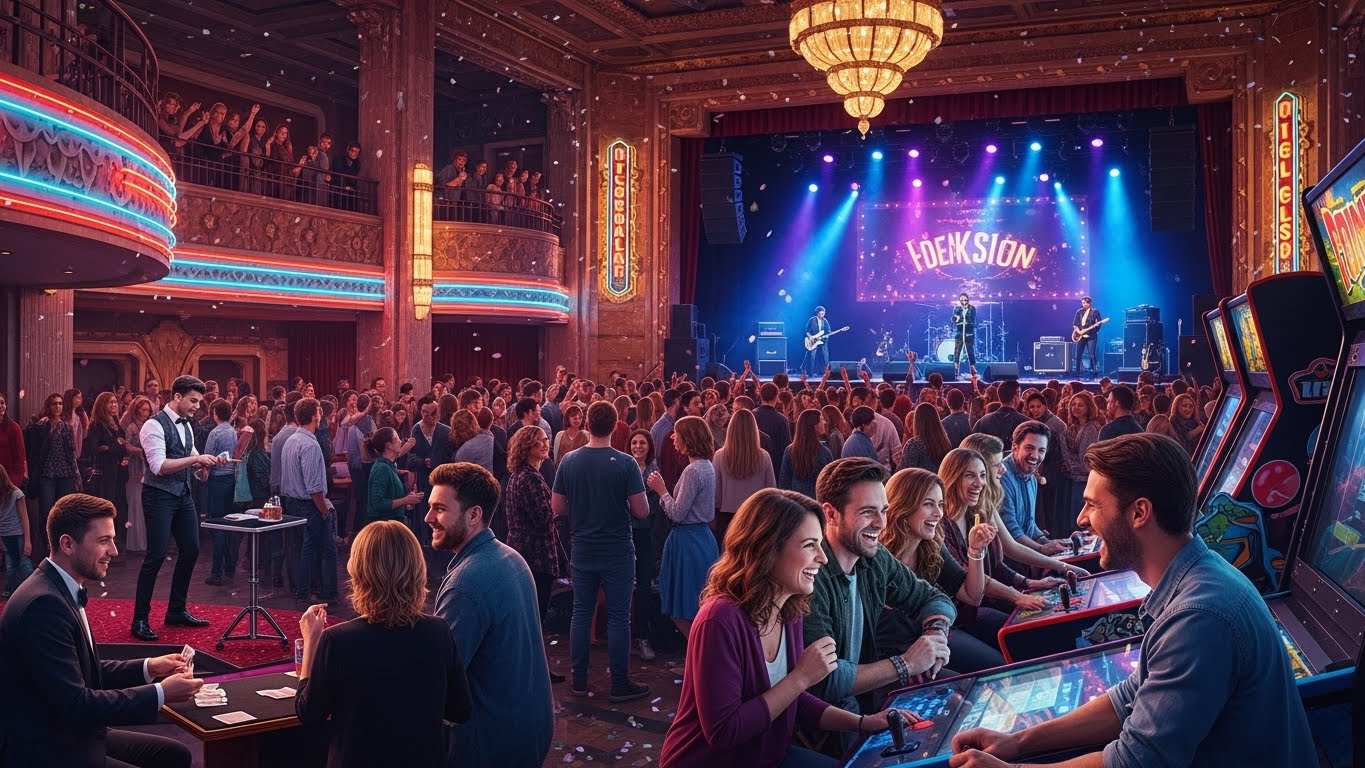
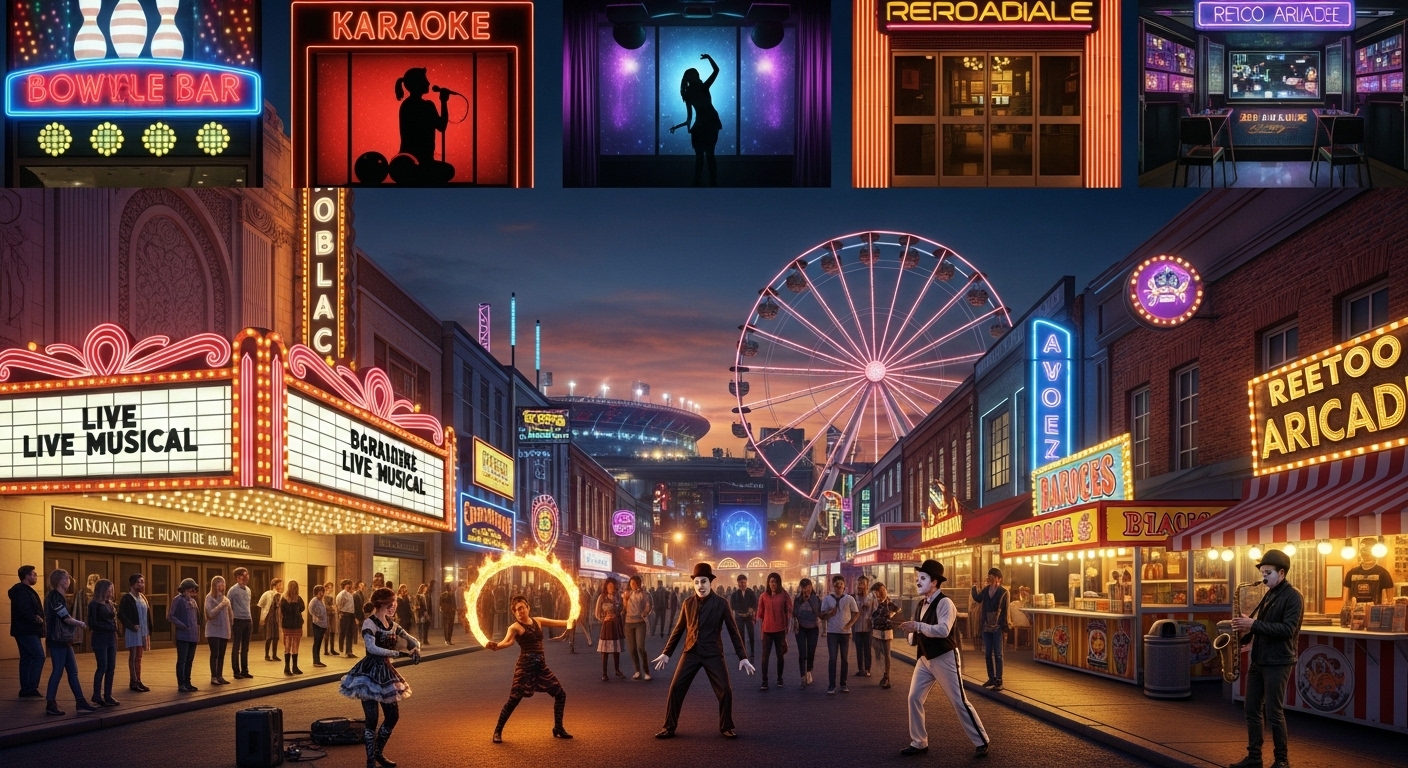
Entertainment has been an essential part of human culture for thousands of years. Whether through stories, music, theater, or games, humans have always found ways to escape from the everyday and immerse themselves in something that stimulates their minds, emotions, and imagination. Over time, the methods of entertainment have evolved, shaped by technological advancements, cultural shifts, and the ever-changing desires of society. This blog post takes you through the fascinating history of entertainment, its impact on society, and where it’s headed in the future.
The Origins of Entertainment: Rituals and Early Storytelling
The roots of entertainment can be traced back to our earliest ancestors. Long before the invention of the wheel or written language, early humans gathered around campfires to share stories. These oral traditions were not just a form of entertainment; they were vital for passing down knowledge, history, and cultural values. Stories about gods, heroes, and mythical creatures helped form the foundation of many ancient civilizations, including Greek, Roman, and Egyptian cultures.
In addition to storytelling, early entertainment often took the form of rituals and performances. Ancient Egyptians, for example, held elaborate public festivals that included music, dance, and theatrical performances. In Greece, theater became an important part of both religious worship and civic life, with playwrights like Sophocles and Euripides creating works that are still performed today. These performances, much like modern entertainment, offered an escape, helping people grapple with complex emotions and societal issues.
The Middle Ages and Renaissance: Theater, Music, and Royal Patronage
The Middle Ages marked a period where entertainment was often tied to the church and religious observances. Festivals, dances, and performances were common during major holidays. However, much of the entertainment during this time was designed to reinforce religious values and beliefs. Religious plays were often performed in the streets or in the church itself, helping to spread biblical stories to illiterate populations.
The Renaissance period, which began in the 14th century, saw the emergence of more sophisticated forms of entertainment. With the growth of cities and the rise of wealthy patrons, the arts flourished. Theaters such as the Globe Theatre in London became centers of cultural activity, where playwrights like William Shakespeare presented their works. Music, too, entered a new era with the advent of classical compositions, led by composers like Bach, Beethoven, and Mozart. This was a time when entertainment moved beyond mere enjoyment; it became a cultural institution that could influence politics, religion, and societal norms.
The Industrial Revolution: Mass Entertainment and the Birth of Modern Media
The Industrial Revolution in the 18th and 19th centuries brought about significant changes to every aspect of human life, and entertainment was no exception. Advances in technology and mass production allowed for entertainment to be produced on a much larger scale. This was the time when entertainment began to be tailored to mass audiences, as new forms of media emerged.
The invention of the printing press in the 15th century made written entertainment more widely available, and by the 19th century, newspapers, magazines, and books became staples of daily life. The invention of the camera and motion pictures in the late 1800s marked the birth of cinema, which would go on to become one of the most powerful and influential forms of entertainment in the modern era. The first films were short, simple, and silent, but the rapid development of the film industry led to the creation of the Hollywood film empire in the early 20th century. Cinema became a global phenomenon, attracting millions of people to theaters for an immersive experience that combined storytelling, visuals, and music.
The 20th Century: The Golden Age of Radio, Television, and Music
As the 20th century progressed, the rise of radio, television, and recorded music fundamentally changed the way people consumed entertainment. The invention of radio broadcasting in the 1920s allowed people to listen to live performances, news, and stories from the comfort of their own homes. Radio shows became a popular form of entertainment, with dramas, comedies, and variety shows drawing large audiences.
Television, introduced in the 1940s and 1950s, brought entertainment into the living room on a much larger scale. By the 1960s, television had become a central part of daily life for millions of people, with shows like I Love Lucy, The Ed Sullivan Show, and The Twilight Zone shaping popular culture. The visual nature of TV made it an ideal medium for storytelling, and soon, entire industries developed around sitcoms, dramas, reality shows, and news broadcasts.
At the same time, recorded music underwent a revolution. The invention of the phonograph, followed by the development of vinyl records and cassette tapes, allowed music to be distributed widely and enjoyed in people’s homes. The 1960s and 1970s saw the rise of iconic musical artists like The Beatles, Elvis Presley, and Bob Dylan, whose influence would extend far beyond the music industry.
The Digital Age: The Internet and Interactive Entertainment
The late 20th and early 21st centuries saw the emergence of the digital age, which radically transformed entertainment. The invention of personal computers and the widespread use of the internet provided entirely new platforms for consuming entertainment. No longer limited to the radio, television, or movie theater, people could now access entertainment anytime and anywhere.
Video games, which had been around since the 1970s, became a dominant form of entertainment in the 1990s and 2000s, as the internet enabled multiplayer experiences, and new consoles offered increasingly realistic graphics and more engaging gameplay. The rise of the internet also gave birth to new forms of entertainment, such as streaming platforms, social media, and online video content. Services like YouTube allowed anyone with a camera to create and share videos, leading to the rise of “YouTubers” and content creators.
In the 2010s, platforms like Netflix, Spotify, and Hulu revolutionized the way people consumed movies, TV shows, and music. Binge-watching became a popular pastime, as entire seasons of shows could be watched in one sitting. Social media platforms like Facebook, Twitter, and Instagram also became integral parts of entertainment, enabling people to share experiences, discuss media, and interact with their favorite celebrities and creators.
The Influence of Streaming and On-Demand Content
The transition from traditional forms of entertainment to streaming services has been one of the most significant developments of the past two decades. The rise of platforms like Netflix, Amazon Prime, and Disney+ has changed the entertainment landscape by offering on-demand content that can be accessed at any time. No longer do people need to adhere to a broadcast schedule; they can watch their favorite shows, movies, or documentaries whenever they want.
This shift has also disrupted traditional media industries. Cable television subscriptions have declined as people increasingly opt for cheaper, more flexible streaming services. The movie industry, too, has seen a transformation, with streaming services producing their own films and TV shows, often bypassing theaters entirely. In many ways, streaming platforms have democratized access to entertainment, offering a wider range of content and enabling global distribution with just a few clicks.
The Future of Entertainment: Virtual Reality, AI, and Beyond
As technology continues to evolve, the future of entertainment looks increasingly digital and immersive. Virtual reality (VR) and augmented reality (AR) are two technologies that promise to change the way we experience entertainment. VR allows users to enter entirely new worlds and interact with them in real time, while AR overlays digital elements onto the real world, creating hybrid experiences. The rise of VR gaming and immersive experiences like the Oculus Rift and PlayStation VR suggests that the next frontier of entertainment will be deeply interactive and personalized.
Artificial intelligence (AI) also has the potential to reshape the entertainment industry. AI could create more dynamic, adaptive storytelling experiences, where the plot changes based on the viewer’s choices. It may also be used to develop personalized content, allowing entertainment to cater specifically to an individual’s tastes, preferences, and viewing history.
The integration of entertainment with everyday life through wearable devices and smart home technology is another trend to watch. As entertainment becomes increasingly integrated into our daily routines—whether through voice-controlled assistants, interactive home devices, or wearable VR/AR gear—the lines between reality and virtual worlds may blur even further.
Conclusion: Entertainment as a Reflection of Society
Entertainment has always been a reflection of the society from which it emerges. From the earliest oral traditions to the digital streaming services of today, entertainment has evolved alongside technological advancements and social changes. It serves as both an escape from reality and a mirror of it, offering commentary on culture, politics, and human emotions.
As technology continues to push boundaries, we can expect entertainment to become even more immersive, interactive, and personalized. The future of entertainment will undoubtedly hold new experiences and forms of expression that we can only begin to imagine. What remains constant, however, is the fundamental human need for entertainment—to engage, to be moved, to escape, and to connect.