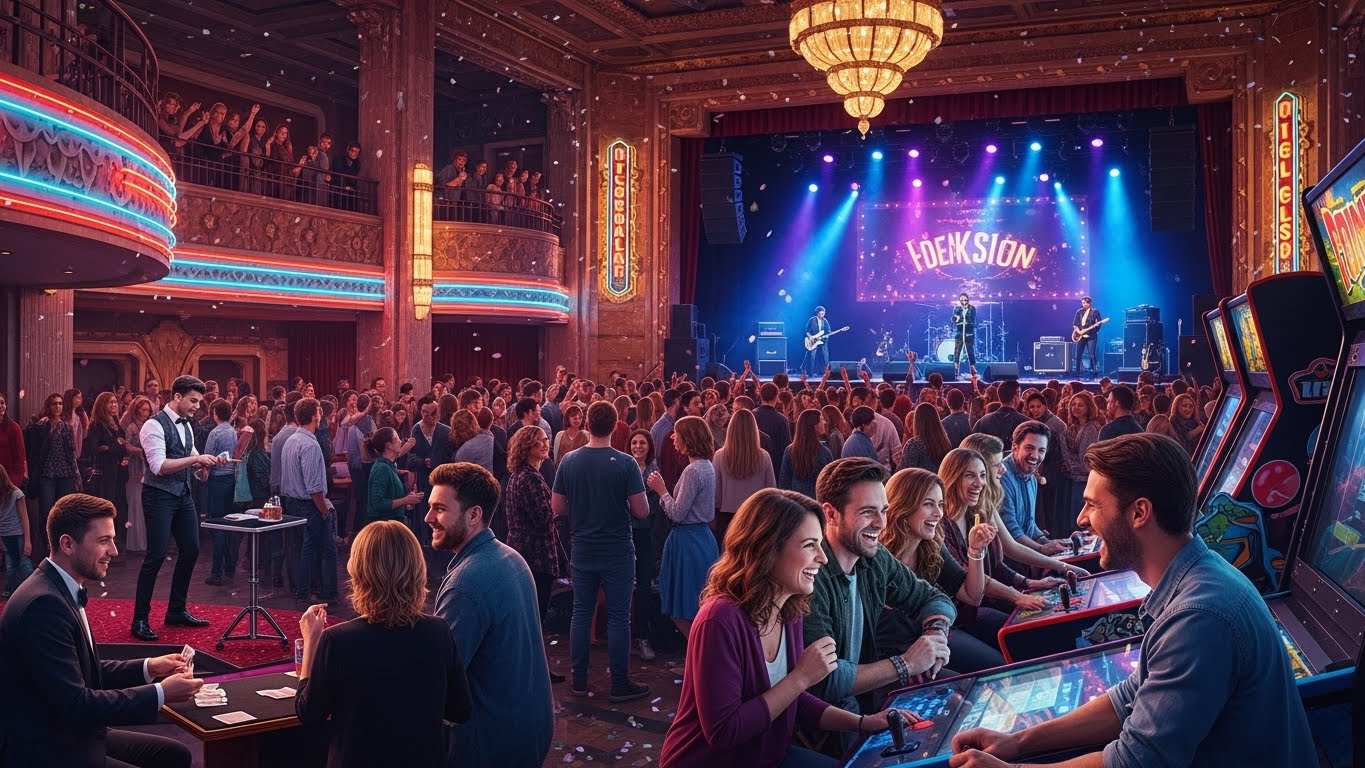
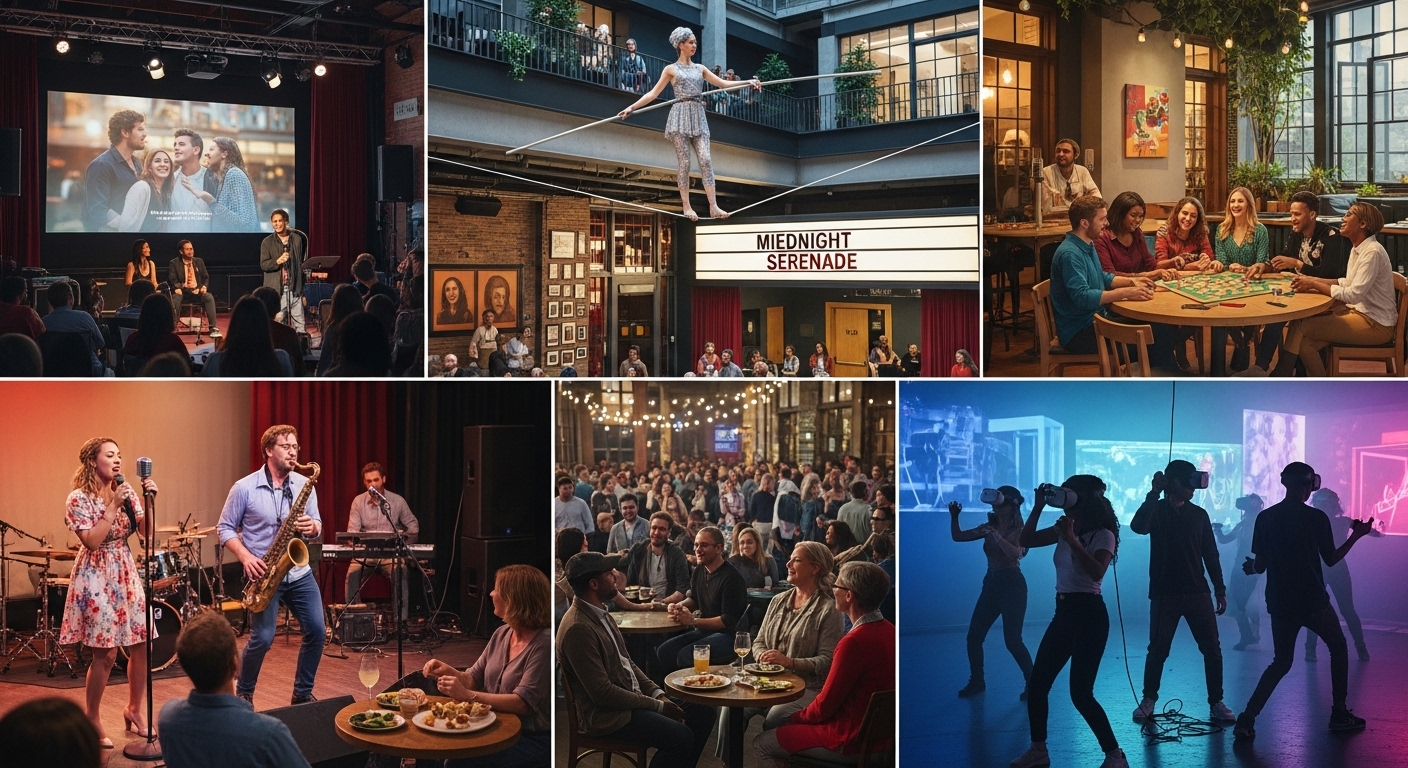
Entertainment has been an essential part of human culture for centuries, shaping the way we relax, learn, and connect with others. From ancient rituals and theater to modern cinema, television, and video games, the forms of entertainment we enjoy have evolved significantly. In recent years, technology has taken center stage, transforming the entertainment industry in ways that were once unimaginable. The digital revolution has introduced new mediums, new ways to interact with content, and new platforms to consume it. This post delves into the dynamic world of entertainment, highlighting its evolution, the impact of digital media, and the future trends shaping the industry.
The Early Days of Entertainment: Theater, Music, and Print
Before the advent of television, movies, or digital content, entertainment was more communal and often live. In ancient civilizations, theater played a central role in entertainment. The Greeks, for example, were pioneers in dramatic performances, with famous playwrights like Sophocles and Euripides whose works are still studied today. Similarly, music has been a vital form of entertainment for thousands of years, from tribal drumming to symphonies composed by masters like Beethoven and Mozart. For centuries, people gathered in theaters, amphitheaters, and concert halls to experience these art forms live.
In addition to live performances, the printing press, invented by Johannes Gutenberg in the 15th century, revolutionized entertainment. Books, newspapers, and magazines became more accessible, leading to a rise in literacy and the spread of storytelling. The written word was the primary source of entertainment for many people before the explosion of modern technologies, and classic literature became the cornerstone of cultural entertainment.
The Rise of Motion Pictures and Television
The early 20th century marked a dramatic shift in the world of entertainment. The invention of the motion picture brought visual storytelling into the mainstream. In 1891, Thomas Edison’s invention of the kinetoscope laid the groundwork for the film industry, and by the 1920s, Hollywood had become the epicenter of global cinema. Movie theaters became the primary destination for entertainment, drawing millions to watch the latest films, from silent films to the advent of “talkies.”
The 1950s ushered in another shift with the introduction of television. As televisions became more affordable and widely available, households all over the world began to tune in to their favorite shows. Popular sitcoms, dramas, news programs, and live events became part of daily life. The “Golden Age” of television, which spanned from the 1950s to the 1970s, brought iconic shows such as I Love Lucy, The Twilight Zone, and The Ed Sullivan Show. Television created a shared cultural experience in the same way movies had done decades earlier, but now with the convenience of at-home viewing.
The Digital Revolution: The Birth of the Internet Age
The real transformation in entertainment came in the late 20th century and early 21st century with the advent of the internet and digital technology. The internet revolutionized how content was created, distributed, and consumed. Suddenly, anyone with a computer or mobile device could access movies, music, books, and other forms of entertainment from anywhere in the world. This massive shift changed the industry forever.
One of the most significant developments was the rise of digital streaming. Platforms like Netflix, which began as a DVD rental service, evolved into the powerhouse it is today by offering online streaming. By the mid-2000s, Netflix and other services like Hulu and Amazon Prime Video disrupted the traditional television model, offering viewers the ability to watch movies and shows on-demand, without relying on network schedules. This gave rise to “binge-watching” culture, where viewers would consume entire seasons of a show in one sitting.
The growth of digital music services, such as Spotify and Apple Music, also revolutionized the music industry. Gone were the days of purchasing CDs or downloading songs illegally from peer-to-peer file-sharing sites. Now, listeners could stream millions of songs instantly, with algorithms recommending personalized playlists based on listening habits.
The Rise of Social Media and User-Generated Content
Alongside streaming services, social media has played an enormous role in shaping entertainment in the digital age. Platforms like YouTube, Instagram, and TikTok have democratized content creation, allowing anyone to become a content creator. People no longer have to rely on traditional media companies to distribute their work; instead, they can upload videos, share photos, or livestream to millions of viewers directly from their smartphones.
The impact of user-generated content cannot be overstated. Social media platforms have given rise to viral trends, meme culture, and influencer marketing. TikTok, for example, has transformed how entertainment content is consumed and created. Short-form videos on the app allow users to create and share content in ways that were previously unthinkable, from dance challenges to comedic skits. These viral moments have real-world consequences, with songs and memes often skyrocketing to global prominence through the platform’s algorithm-driven discovery system.
Influencers, individuals who have built large followings on social media, have become major players in the entertainment world. Brands now partner with influencers to promote products, and some influencers have made careers out of streaming, posting, and engaging with their audiences. The rise of these new celebrity figures represents a shift away from traditional Hollywood actors and musicians, creating a new wave of digital stars.
Interactive Entertainment: The Era of Video Games
As the internet and digital technologies grew, so did the world of interactive entertainment. Video games, once considered a niche hobby, have evolved into a mainstream form of entertainment. In 2021, the global video game market was valued at over $159 billion, surpassing both the film and music industries. This rapid growth can be attributed to the increasing accessibility of gaming, the popularity of online multiplayer games, and the rise of mobile gaming.
Gaming has become a fully immersive experience, with virtual reality (VR) and augmented reality (AR) pushing the boundaries of what is possible. In VR, players can step into entirely new worlds, while AR allows users to interact with the real world through their devices, overlaying digital content in real-time. Games like Pokémon GO have brought AR into the mainstream, allowing millions of people to experience entertainment in the real world, while VR systems like the Oculus Rift have allowed players to experience fully immersive environments.
Moreover, the rise of esports has turned gaming into a spectator sport. Professional gaming tournaments, such as the League of Legends World Championship and The International (Dota 2), attract millions of viewers worldwide. These events are streamed live on platforms like Twitch, where viewers can watch skilled players battle it out for huge cash prizes. The competitive nature of esports, combined with the growth of gaming culture, has helped establish video games as a significant force in entertainment.
The Changing Landscape of Cinema and Television
Even as digital streaming and gaming have grown, traditional forms of entertainment like cinema and television have also had to adapt. The success of streaming platforms has led to a shift in the production and distribution of movies and TV shows. Studios now create content with streaming services in mind, and many high-profile films are being released directly on platforms like Netflix, Disney+, or HBO Max, bypassing traditional movie theaters entirely.
This shift has been accelerated by the COVID-19 pandemic, which forced movie theaters to close temporarily and pushed more people to stream films at home. The success of movies like Hamilton on Disney+ and The Trial of the Chicago 7 on Netflix has proved that audiences are more than willing to enjoy big-budget films from the comfort of their homes.
At the same time, television networks have responded by shifting their focus to on-demand content. The rise of “cord-cutting,” where consumers cancel their traditional cable subscriptions in favor of streaming services, has forced traditional networks to rethink their business models. Many networks, including CBS and NBC, have launched their own streaming platforms, such as Paramount+ and Peacock, to compete in the digital streaming space.
The Future of Entertainment: Personalization and AI Integration
As we look to the future, one of the most exciting developments in entertainment is the integration of artificial intelligence (AI) and machine learning into the creation and consumption of content. Streaming platforms already use algorithms to suggest content based on user preferences, but AI’s role in entertainment is poised to go much further.
In the future, AI could play a role in content creation itself. Imagine a movie script written by an AI based on a viewer’s personal tastes, or a game that adapts to a player’s behavior and evolves in real-time. Personalized content could extend to music, where AI creates soundtracks specifically tailored to the listener’s mood or activity.
The use of AI in entertainment could also have significant implications for how we experience live events. Virtual and augmented reality could allow us to attend concerts, sports games, or theater performances without ever leaving our homes. As technology continues to advance, the boundaries between digital and physical entertainment will continue to blur, creating new, exciting possibilities for how we interact with the media we love.
Conclusion: The Boundless Future of Entertainment
The entertainment industry has undergone an extraordinary transformation over the last few decades, moving from traditional forms like theater and television to the digital revolution of streaming, social media, and video games. As technology continues to evolve, so too will our relationship with entertainment. We are moving toward an era where content is personalized, interactive, and accessible like never before. The future of entertainment is not confined to a single medium; it will be a fusion of digital, interactive, and immersive experiences that push the boundaries of creativity and connectivity.
In the end, entertainment is about more than just escaping reality; it is about connecting with others, sparking imagination, and reflecting on the human experience. Whether through streaming, gaming, live events, or social media, entertainment will continue to be a central part of our lives, enriching us in ways both expected and surprising. The possibilities are limitless, and we are just getting started.