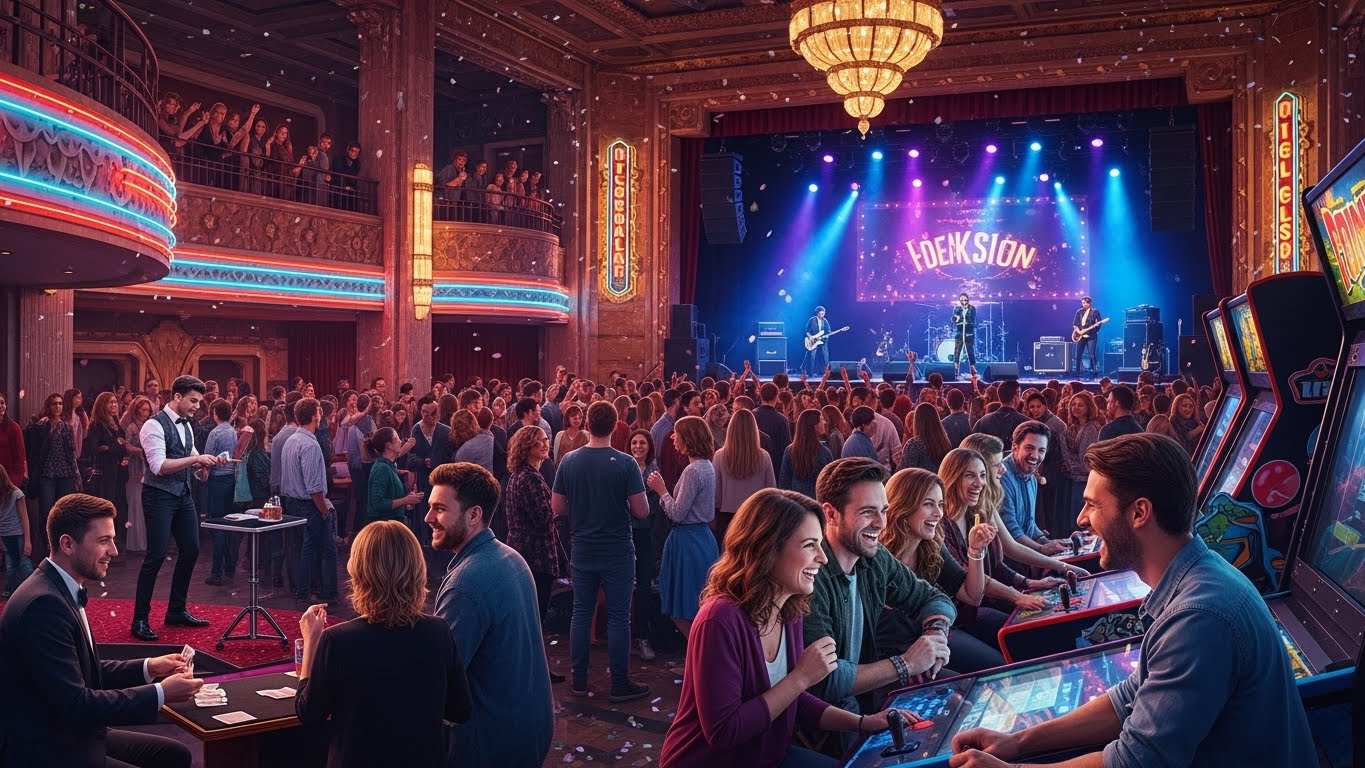

Entertainment has always been a central part of human life, evolving with society and technology to reflect culture, values, and creativity. From oral storytelling in ancient times to modern digital media, entertainment not only provides enjoyment but also influences how we think, connect, and perceive the world. In this blog, we explore the history of entertainment, its cultural significance, technological advancements, and the ways it continues to shape society today.
The Origins of Entertainment
Entertainment has existed for millennia, rooted in human expression and social interaction. Early humans relied on storytelling, music, and dance to communicate ideas, preserve history, and celebrate communal events. These forms of entertainment were essential in passing down knowledge and creating shared cultural experiences.
Theater in ancient Greece and Rome brought stories of gods, heroes, and morality to life, offering both education and amusement. Similarly, traditional folk performances, puppetry, and musical gatherings across the world entertained communities while reinforcing societal values. Entertainment was never just leisure—it was a medium of connection, reflection, and culture.
The Rise of Literature and Print
The invention of writing and the printing press revolutionized entertainment. Literature allowed stories to be recorded, shared, and preserved across generations. From epic poems to novels, readers could now engage with narratives in private or in groups, fostering imagination and empathy.
Printed works like newspapers, magazines, and books expanded access to entertainment. They introduced serialized stories, poetry, and satire, offering both leisure and critical commentary on society. The literary world became a space where ideas, humor, and culture converged, reflecting human experiences in diverse and compelling ways.
Theater and Performance Arts
Theater evolved as a dynamic form of entertainment that combines storytelling, music, and performance. Live performances captivate audiences through emotional engagement, suspense, and spectacle. Over centuries, theater has adapted to reflect societal changes, from Shakespearean plays exploring human nature to modern experimental performances challenging conventions.
Performance arts like dance, opera, and puppetry offer multisensory experiences, blending visuals, music, and movement. These forms not only entertain but also preserve cultural heritage, connect communities, and inspire creativity, making performance a timeless aspect of human expression.
Music as a Universal Language
Music has always been central to entertainment. From tribal chants to classical symphonies and contemporary pop, music transcends language and geography, connecting people emotionally. Musical performances, whether live or recorded, offer both enjoyment and emotional catharsis.
The evolution of music has mirrored technological advancements. The invention of phonographs, radios, and digital streaming transformed how audiences experience sound. Music festivals, concerts, and online platforms now bring artists and fans together globally, making music a key pillar of modern entertainment.
The Birth of Cinema
The advent of motion pictures in the late 19th and early 20th centuries transformed entertainment. Early silent films captivated audiences with visual storytelling, while the addition of sound and color expanded cinematic possibilities.
Cinema has become a powerful medium for narrative, imagination, and cultural commentary. It combines visuals, sound, and performance to create immersive experiences, transporting audiences to new worlds and perspectives. Iconic films reflect societal values, explore human emotions, and inspire dialogue, making cinema a cornerstone of entertainment.
Television and Mass Media
Television brought entertainment directly into homes, transforming daily life and creating shared cultural moments. Families gathered to watch dramas, sitcoms, news, and live events, establishing television as a central medium for information and amusement.
Television also shaped celebrity culture, influencing fashion, trends, and social behavior. The rise of cable, satellite, and streaming services expanded content diversity, catering to varied tastes and interests. Television democratized entertainment, making it accessible and influential across social and geographic boundaries.
The Digital Revolution
The rise of the internet revolutionized entertainment once again. Digital platforms, social media, and online streaming transformed how people consume and interact with content. Audiences now have on-demand access to music, movies, games, and videos, personalizing entertainment to individual preferences.
Digital tools also empower creators, enabling independent artists, filmmakers, and writers to reach global audiences without traditional intermediaries. Online communities form around shared interests, fostering interaction, collaboration, and fan culture. Entertainment has become interactive, participatory, and global.
Gaming as Entertainment
Gaming has emerged as a dominant form of modern entertainment. From simple mobile games to immersive virtual realities, gaming combines storytelling, strategy, and social interaction. Multiplayer and online games create global communities, while professional esports turn gaming into a career for skilled players.
Beyond recreation, gaming teaches problem-solving, teamwork, and strategic thinking. It engages players intellectually and socially, proving that entertainment can be both enjoyable and educational. Gaming represents a new frontier where technology and creativity converge.
The Psychology of Entertainment
Entertainment satisfies fundamental human needs: escape, connection, and emotional stimulation. Stories, music, games, and performances provide catharsis, allowing people to experience emotions safely and explore different perspectives.
Psychologically, entertainment enhances empathy, imagination, and critical thinking. Shared experiences foster social bonds and collective identity, whether cheering for a sports team, discussing a film, or participating in online communities. Entertainment is both personal and communal, enriching human experience on multiple levels.
Cultural Impact of Entertainment
Entertainment reflects and shapes culture. Films, music, literature, and games convey values, norms, and beliefs, influencing behavior and social trends. Iconic entertainment often sparks social dialogue, inspires movements, and challenges conventions.
Globalization has amplified this effect, spreading entertainment across borders. Cultural exchange through media fosters understanding, empathy, and creativity, demonstrating the power of entertainment to connect humanity across time and space.
Challenges in the Entertainment Industry
Despite its transformative power, the entertainment industry faces challenges. Content saturation can overwhelm audiences, and commercialization sometimes prioritizes profit over quality. Ethical considerations, including representation, cultural sensitivity, and responsible messaging, are critical.
The digital age also brings concerns over screen time, privacy, and misinformation. Creators and consumers alike must navigate these challenges thoughtfully, ensuring that entertainment remains positive, inclusive, and meaningful.
The Future of Entertainment
The future of entertainment promises innovation, interactivity, and personalization. Virtual and augmented reality, artificial intelligence, and immersive storytelling will redefine how audiences experience content. Interactive narratives, virtual concerts, and AI-generated experiences are already emerging as new forms of engagement.
Entertainment will continue to evolve, blending creativity, technology, and human experience. Inclusivity, sustainability, and cultural diversity will shape content, ensuring that entertainment resonates with a global audience. The future holds limitless possibilities for creators and consumers alike.
Conclusion
Entertainment has journeyed from oral storytelling and live performances to digital media, gaming, and immersive experiences. It reflects culture, shapes society, and connects people across generations.
Beyond amusement, entertainment teaches, inspires, and fosters empathy. It allows humans to explore imagination, engage socially, and experience emotions safely. As technology continues to evolve, entertainment will remain a central force in human life, constantly reinventing itself while preserving its core purpose: to inform, delight, and connect.
Entertainment is more than leisure; it is a reflection of humanity’s creativity, curiosity, and desire for connection. Its evolution demonstrates our enduring need to tell stories, share experiences, and celebrate the richness of human imagination.