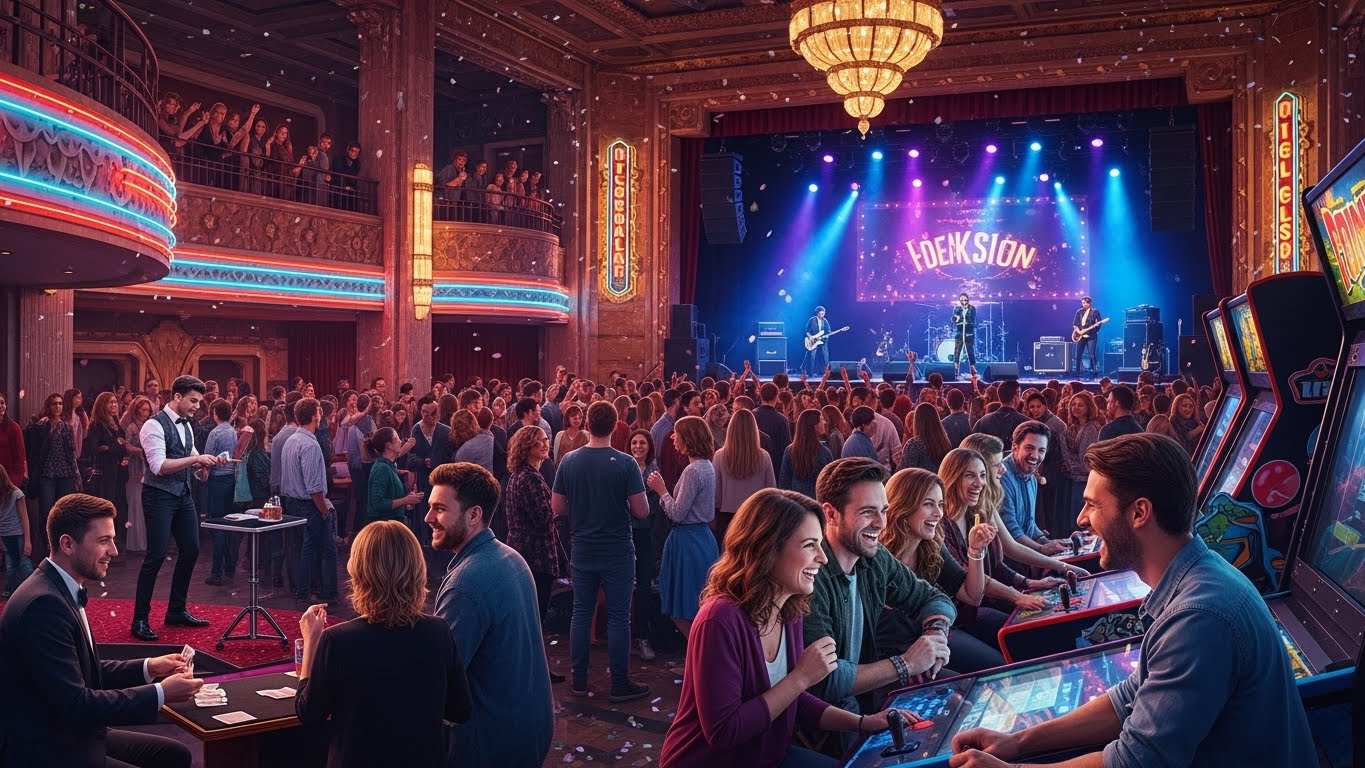
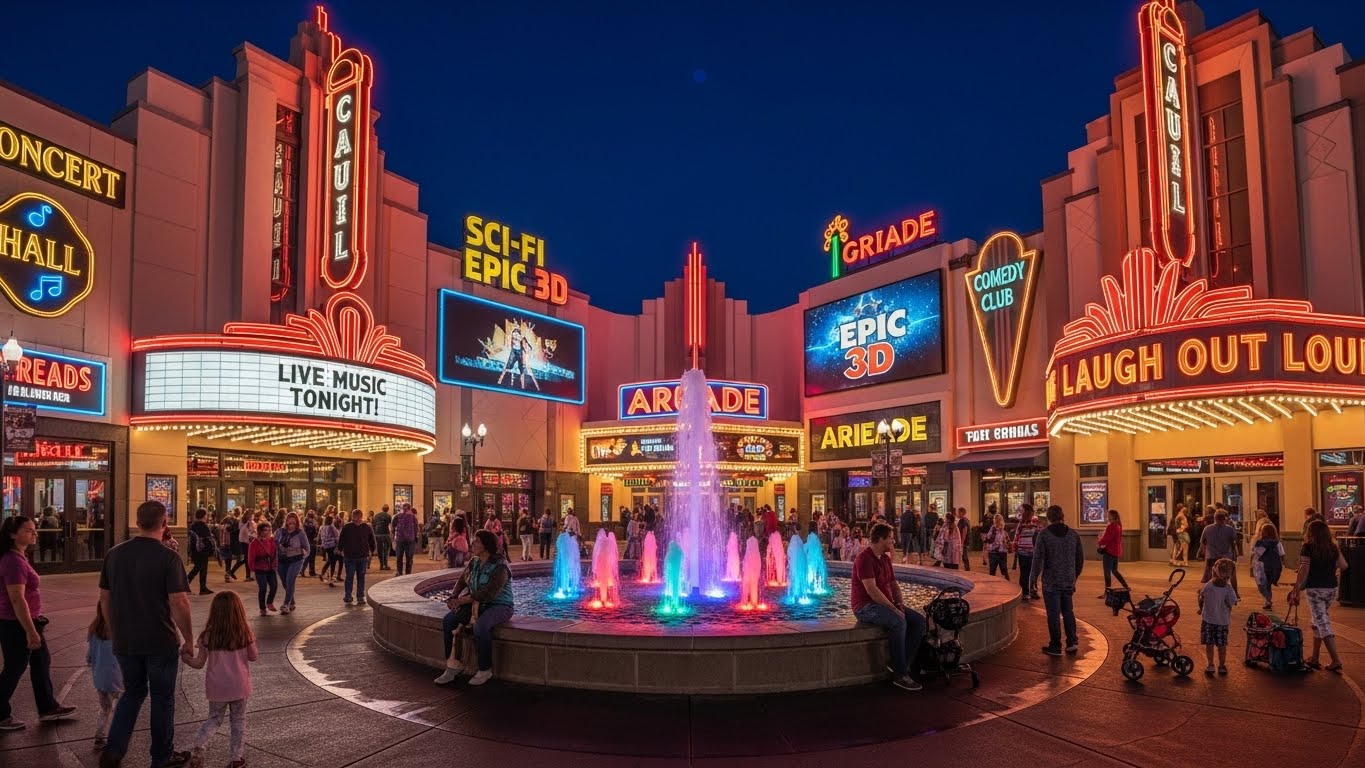
Entertainment, once defined by simple pleasures like storytelling, music, and games, has evolved dramatically over the years, thanks to rapid advancements in technology. The world we live in today is vastly different from the one just a few decades ago, and our methods of entertainment have followed suit. Whether it’s the rise of streaming platforms, the influence of social media, or the growth of virtual reality, technology has redefined how we consume, interact with, and enjoy entertainment. This blog post explores the evolution of entertainment, its impact on society, and the future of leisure in a digital age.
The Golden Age of Television: A Foundation for Modern Entertainment
Before the internet and smartphones took over our lives, television was the dominant force in entertainment. The mid-20th century saw the rise of television as the primary source of entertainment for most people. Families would gather around their sets to watch their favorite shows, whether it was a soap opera, a prime-time drama, or a sports game. The rise of color TVs in the 1960s further solidified television as a centerpiece in households across the world.
In the 1980s and 1990s, cable TV expanded the range of content available to audiences, and networks like HBO began to deliver content aimed at adults, paving the way for the emergence of more specialized forms of entertainment. The introduction of VCRs allowed people to watch movies and shows on-demand, and the concept of binge-watching was born long before streaming services popularized it.
However, it wasn’t just the TV shows and movies that captured the imagination of the public during this period. Television also helped to shape the cultural landscape. Game shows, talk shows, and reality TV became fixtures in homes across the globe. Figures like Oprah Winfrey, Johnny Carson, and even Jerry Springer became household names, using the medium to influence social norms, politics, and pop culture in ways that hadn’t been possible before.
The Digital Revolution: The Birth of the Internet and Streaming
The real game-changer for entertainment came with the advent of the internet. With the rise of the internet in the late 1990s and early 2000s, traditional forms of entertainment started to evolve. The introduction of digital content, such as downloadable music and movies, fundamentally changed how people accessed and consumed entertainment. Rather than waiting for a movie to air on cable or television, people could download it or watch it online at their convenience.
In the early days of the internet, platforms like Napster and LimeWire revolutionized music consumption by allowing users to share and download music for free, though this also sparked debates about copyright infringement and intellectual property. By the mid-2000s, however, legal streaming services like iTunes and Spotify began to offer legal alternatives to pirated content, and the world of music changed forever.
Streaming video content followed suit. Netflix, originally a DVD rental service, shifted to online streaming in 2007, revolutionizing how people watched movies and TV shows. Instead of needing to follow a weekly TV schedule, people could now access thousands of titles at the touch of a button, choosing what they wanted to watch and when. Soon, other platforms like Hulu, Amazon Prime, and Disney+ emerged, offering their own vast libraries of content. The idea of “watching on-demand” became a reality for millions of people worldwide, and traditional cable TV subscriptions started to decline.
Social Media and the Rise of User-Generated Content
Another transformative force in entertainment has been the rise of social media. Platforms like Facebook, Instagram, Twitter, and TikTok have changed the way we communicate, share content, and consume entertainment. Social media has empowered individuals to create and share their own content with global audiences. This shift has led to the rise of influencers, vloggers, and content creators who are reshaping how people view celebrity and fame.
One of the biggest transformations brought by social media is the democratization of entertainment. Anyone with a smartphone or camera can now create content, whether it’s a video, a meme, or a piece of artwork. Social media platforms have turned ordinary individuals into global celebrities. Influencers on platforms like YouTube and TikTok now hold immense sway over public opinion, advertising, and consumer trends. They are no longer just entertainers but trendsetters, shaping fashion, lifestyle choices, and even political views.
The impact of user-generated content on traditional entertainment has been profound. While TV shows and movies are still produced by professional studios, social media platforms have provided an avenue for independent creators to build massive audiences. This has led to the rise of new forms of entertainment, such as vlogs, unboxing videos, and live streaming events, which compete with traditional media for attention. In fact, YouTube has become a primary entertainment platform for millions, with users spending hours watching everything from makeup tutorials to reaction videos.
The Gaming Revolution: Interactive Entertainment
Gaming, once seen as a niche hobby, has become one of the most significant forms of entertainment in the digital age. Video games have grown from simple arcade experiences like Pong and Space Invaders to expansive virtual worlds that offer players rich, interactive experiences. The gaming industry has expanded dramatically over the last two decades, with revenues surpassing those of the film and music industries combined.
One of the major factors behind the growth of gaming has been the advent of online multiplayer games. Titles like World of Warcraft, Fortnite, and League of Legends have created entire ecosystems where players can compete, collaborate, and socialize in real-time. The rise of esports has also turned gaming into a spectator sport, with tournaments like The International and League of Legends World Championship attracting millions of viewers worldwide.
But gaming isn’t just about competition—it’s also about storytelling and creativity. With advances in graphics, virtual reality (VR), and augmented reality (AR), gaming has evolved into a highly immersive form of entertainment. Players can now explore vast open worlds, experience rich narratives, and even interact with other players in virtual reality environments. The shift from traditional gaming to more immersive experiences is a prime example of how technology has transformed entertainment.
Virtual Reality and Augmented Reality: The Future of Entertainment
Virtual Reality (VR) and Augmented Reality (AR) are two of the most exciting and potentially transformative technologies in entertainment. VR offers users the chance to immerse themselves fully in a digital world, offering experiences that go beyond passive viewing. With VR headsets like the Oculus Rift, HTC Vive, and PlayStation VR, users can interact with games, movies, and simulations in a way that was previously unimaginable. Whether it’s exploring a virtual world, attending a live VR concert, or walking through historical events, VR offers entertainment experiences that are completely different from traditional media.
On the other hand, AR blends digital elements with the real world, enhancing the physical environment with interactive features. Games like Pokémon Go popularized AR by allowing users to capture virtual creatures in real-world locations. AR has since found its way into entertainment through interactive exhibits, live performances, and even in filmmaking. For example, AR can now be used in theme parks to create immersive experiences that blend the real world with digital enhancements.
Both VR and AR are still in their early stages, but they represent the future of entertainment. As the technology improves and becomes more affordable, it’s likely that these mediums will reshape the way we experience entertainment, offering new ways to connect with content and the world around us.
The Impact of Streaming Services on Traditional Media
While the internet has democratized content creation and distribution, streaming services have completely reshaped the consumption of entertainment. The traditional model of TV viewing, which relied on cable subscriptions and scheduled programming, has been overtaken by on-demand streaming platforms. Services like Netflix, Hulu, Amazon Prime Video, and Disney+ offer audiences the freedom to watch whatever they want, whenever they want.
The rise of streaming services has had profound implications for traditional media companies. Cable subscriptions, once the dominant form of entertainment access, have been steadily declining as more people “cut the cord” in favor of cheaper, more flexible streaming options. This shift has forced traditional TV networks and movie studios to adapt, with many now launching their own streaming services to compete with giants like Netflix and Disney+.
One of the most significant changes brought by streaming services is the rise of “binge-watching.” No longer limited by weekly TV schedules, audiences can watch entire seasons of shows in a single sitting. This has reshaped the way content is created, with many TV series now being designed for the binge-watching experience. Shows like Stranger Things and The Witcher are produced with a level of detail and complexity that encourages viewers to watch multiple episodes in one go, creating a more immersive and engaging experience.
The Future of Entertainment: Personalization and Immersion
As technology continues to advance, the future of entertainment is likely to become even more personalized and immersive. Artificial intelligence (AI) and machine learning will enable platforms to deliver customized content recommendations, ensuring that users are constantly exposed to new entertainment options that match their interests. This level of personalization will make discovering new music, shows, movies, and games easier than ever before.
Furthermore, the rise of immersive experiences like VR and AR suggests that the future of entertainment will be less about passive consumption and more about active participation. As VR and AR technology becomes more refined, we may see the emergence of fully immersive experiences where users can explore virtual worlds, attend live events, or even participate in storytelling.
At the same time, social media and user-generated content will continue to play a significant role in shaping entertainment. Platforms like TikTok and YouTube will remain essential for creators looking to reach global audiences, and the line between professional content creators and everyday users will continue to blur.