Introduction
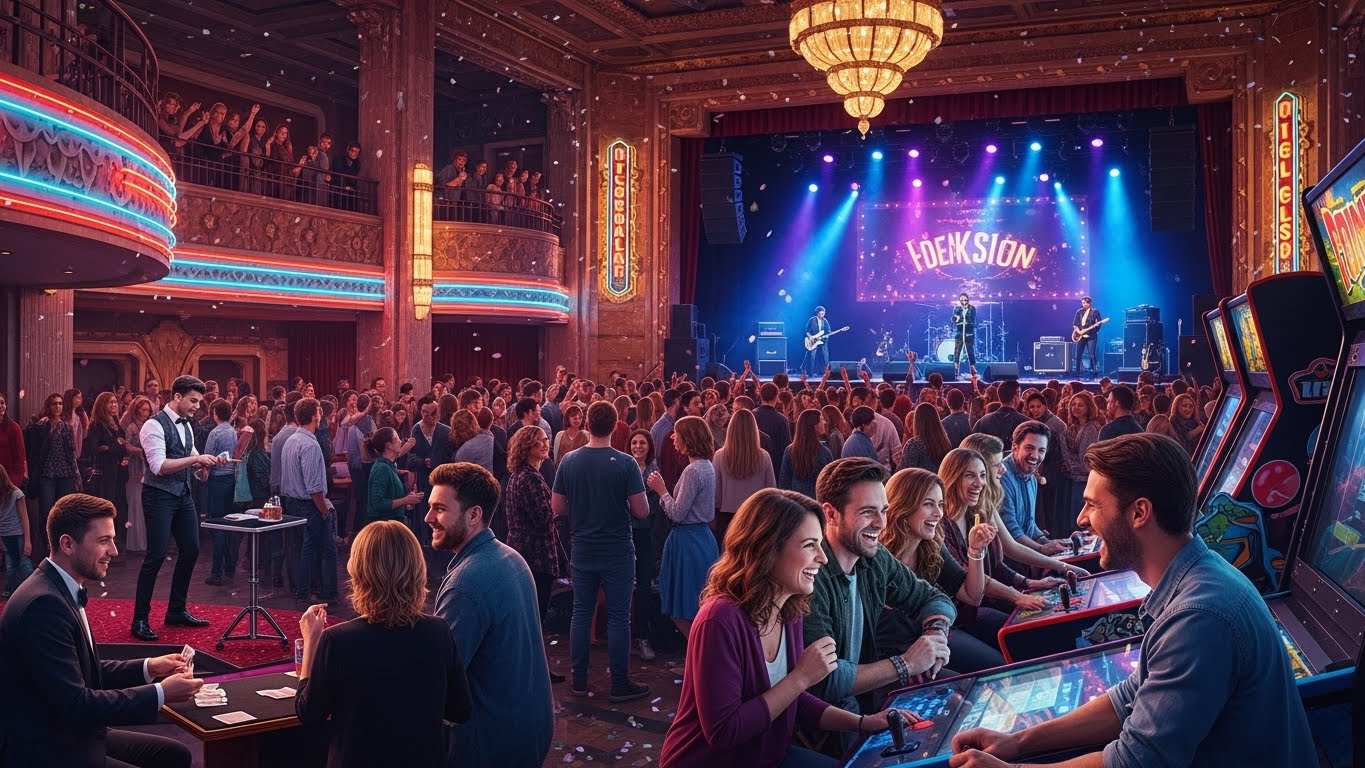
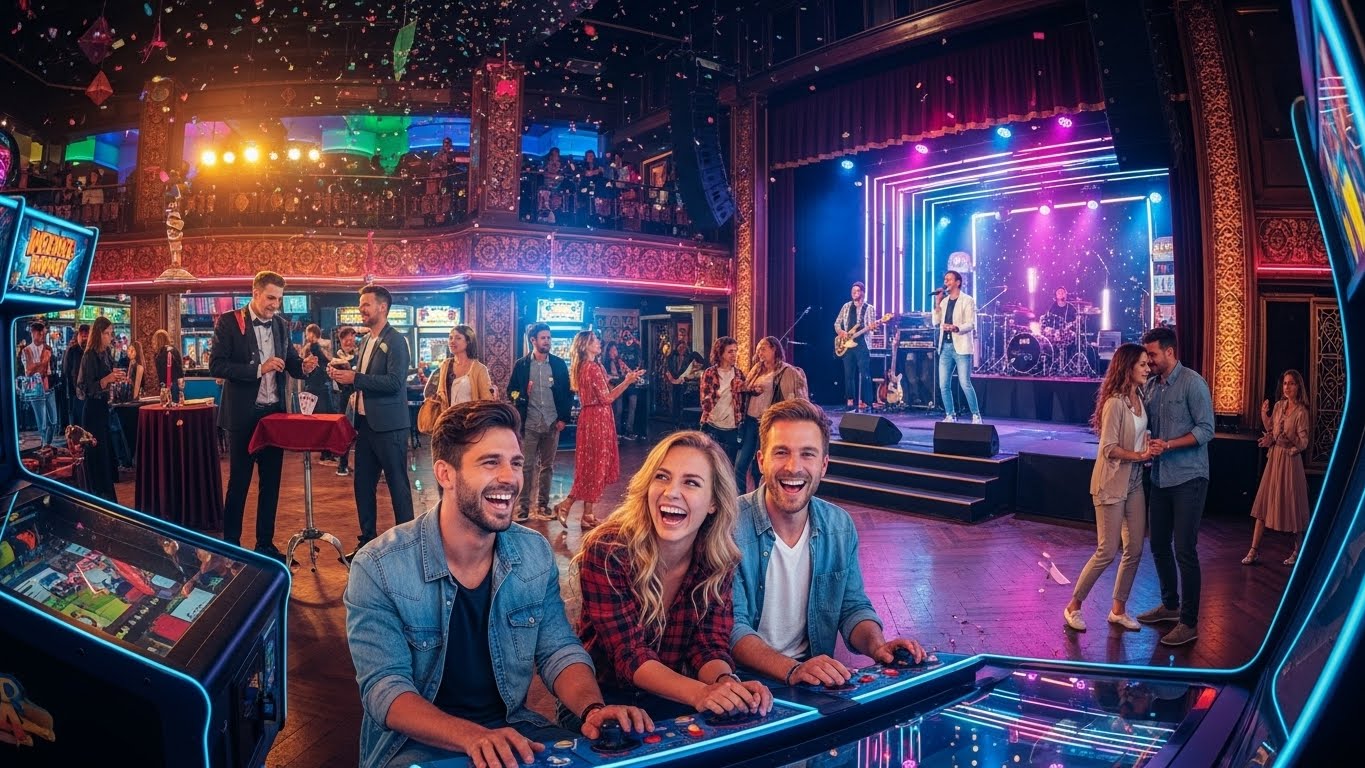
Entertainment has always been a fundamental part of human culture. From ancient storytelling around fires to today’s sprawling digital universes, people have always sought ways to escape, dream, and experience something beyond the ordinary routines of life. Yet modern entertainment has evolved far beyond simple leisure. It is now a global force that influences culture, identity, technology, and even the way we interact with one another. This blog explores the dynamic landscape of entertainment today, how it has transformed, and why it holds such a powerful place in our daily lives.
The Evolution of Entertainment in the Digital Age
Just a few decades ago, entertainment meant sitting in front of a television set, going to the cinema, or listening to music on the radio. Today, entertainment spills into every corner of our digital existence. Streaming platforms, virtual reality, online gaming, social media content, and interactive experiences have revolutionized how we consume stories and connect with one another. This evolution did not happen overnight. It grew gradually as technology advanced and audiences demanded richer, more immersive experiences.
The digital age has democratized entertainment creation. Anyone with a smartphone can produce content, share stories, or create music that reaches global audiences. This shift has broken traditional barriers, allowing fresh talent to rise without needing expensive equipment or industry contacts. As a result, entertainment has become more diverse, more inclusive, and more reflective of the global community.
The Rise of Streaming and On-Demand Culture
One of the most significant transformations in entertainment is the rise of streaming services. Instead of waiting for weekly episodes or relying on cable schedules, viewers now enjoy full control over what they watch and when they watch it. This shift has dramatically changed viewing habits. People binge-watch entire seasons in a weekend, jump between genres instantly, and explore international content that was once difficult to access.
Streaming has also pushed creators to innovate. Without the strict time limitations of traditional TV, writers and directors now experiment with creative formats, extended storytelling, and deeper character development. This freedom has led to some of the most compelling narratives in modern entertainment. Whether it is a gripping crime series, a heartfelt drama, or a visually stunning fantasy world, streaming platforms have elevated storytelling to new heights.
Gaming as a New Social Universe
Gaming is no longer a niche hobby. It is one of the largest and fastest-growing sectors of entertainment. Modern games offer cinematic storylines, open worlds with endless possibilities, and multiplayer modes that connect millions of players across the globe. These games create social spaces where people meet, compete, collaborate, and even form lasting friendships.
Today’s gamers are not just players; they are community members. Many games host events, concerts, and virtual gatherings that feel just as real as physical ones. Live streaming and esports have turned skilled players into celebrities, attracting massive audiences who watch tournaments with the same excitement once reserved for traditional sports. This fusion of entertainment and interactivity has redefined what it means to play.
Social Media: The New Entertainment Stage
Social media platforms have become powerful entertainment hubs. Short-form videos, comedy clips, lifestyle vlogs, dance challenges, and creative skits dominate our daily scrolling. These platforms reward creativity, originality, and consistency, giving rise to a new generation of entertainers who build massive audiences within months.
What makes social media entertainment unique is its relatability. Unlike polished movies or scripted shows, social media creators share snippets of everyday life, behind-the-scenes moments, and spontaneous creativity. This raw and authentic style resonates deeply with audiences, offering a refreshing alternative to traditional entertainment formats.
However, the rapid pace of social media also brings challenges. Creators must constantly adapt, innovate, and engage their audience to stay relevant. Despite this pressure, social media remains one of the most influential and accessible forms of entertainment today.
The Power of Music in Emotional Connection
Music has always been a universal form of entertainment, capable of crossing language and cultural barriers. Today’s music industry thrives on digital platforms, where artists release singles, albums, and performances that audiences can access instantly. Listeners create personalized playlists, discover new genres, and connect with artists in ways that were impossible before.
Live concerts, both physical and virtual, continue to play a major role in the entertainment world. Virtual concerts, in particular, have opened opportunities for artists to reach global audiences without geographical limitations. Music creates emotional connections that few other forms of entertainment can match. Whether it is a song that lifts your spirits, a melody that triggers nostalgia, or a rhythm that energizes your day, music remains one of the most powerful expressions of human creativity.
Movies and the Magic of Cinematic Worlds
Despite the rise of digital formats, cinema still holds a special charm. The experience of watching a film on a big screen, surrounded by sound and visuals that transport you to another world, remains unmatched. Filmmakers continue to push boundaries with advanced visual effects, compelling storytelling, and diverse representation.
Modern cinema blends technology and artistry. Films now explore themes that resonate with audiences globally, highlighting cultural diversity, personal struggles, and imaginative universes. Whether it is a superhero blockbuster or a heartfelt indie film, movies continue to provide an escape that is both emotional and immersive.
The Influence of Entertainment on Culture and Lifestyle
Entertainment is more than just fun; it shapes culture and lifestyle. Fashion trends emerge from music videos. Popular shows influence slang, memes, and social conversations. Iconic characters inspire fan art, conventions, and even career paths. Entertainment influences how people express themselves and how they see the world.
It also brings people together. Whether grabbing popcorn with friends, debating plot twists online, or dancing to the same song at a party, entertainment fosters shared experiences. These connections help build relationships, strengthen communities, and create treasured memories.
The Future of Entertainment: Immersive and Interactive
As technology continues to evolve, the future of entertainment looks more immersive and interactive than ever. Virtual reality and augmented reality promise experiences where audiences do not just watch stories but step inside them. Artificial intelligence is helping creators build more dynamic worlds, personalized content, and interactive storytelling that adapts to each viewer.
Live experiences will also continue to expand, from virtual concerts to interactive movie screenings. The blending of digital and physical entertainment will create new forms of art, performance, and connection.
Conclusion
Entertainment today is a vast and vibrant world that touches every part of our lives. It inspires us, motivates us, and gives us a break from the fast pace of daily responsibilities. Whether through music, movies, games, or online content, modern entertainment captures the imagination and fuels the creativity of millions.
As technology continues to evolve, so will the ways we escape, dream, and connect. One thing remains constant: the human desire for stories, experiences, and moments that make life more enjoyable. Entertainment, in all its forms, will always be a powerful force that brings joy, meaning, and connection to our world.