Introduction: Entertainment Across Time
Entertainment is a core part of human life. It transcends time, culture, and geography, shaping the way we interact, relax, and express ourselves. Whether through storytelling, music, performance, or modern technology, entertainment has evolved alongside human society, adapting to new technologies, tastes, and social norms. From ancient festivals to today’s streaming platforms, entertainment provides a window into human creativity, offering a range of experiences that both reflect and shape culture.
In this blog post, we will explore the evolution of entertainment, examining how it has changed over the centuries, how technology has influenced it, and how it continues to impact society today. We’ll dive into the different forms of entertainment, their significance in social life, and how digital platforms are shaping the future of entertainment.
The Early Beginnings of Entertainment: Tradition and Ritual
Long before the invention of television, the internet, or even written language, humans sought ways to entertain themselves. In ancient societies, entertainment was often tied to rituals and celebrations. Tribal dances, storytelling, and communal feasts were central to social cohesion. These early forms of entertainment were primarily communal, with the focus on shared experience rather than individual enjoyment.
One of the oldest forms of entertainment was oral storytelling. Before the written word, stories were passed down through generations by word of mouth. These stories carried cultural knowledge, historical records, and moral lessons, all while providing entertainment. Similarly, music and dance played a major role in early societies. From the rhythms of drums to the harmonious sounds of flutes, music united communities and provided an emotional outlet for people of all ages.
Theatrical performances also have deep historical roots. Ancient Greek theater, for example, was not just a form of entertainment but also a way of exploring philosophy, politics, and human nature. These performances laid the foundation for modern theater and cinema, introducing dramatic structure, character development, and themes that are still relevant today.
The Rise of Modern Entertainment: The Birth of Cinema and Radio
As societies grew and technology advanced, so did the methods of entertainment. The late 19th and early 20th centuries marked a significant shift in entertainment, particularly with the rise of cinema and radio.
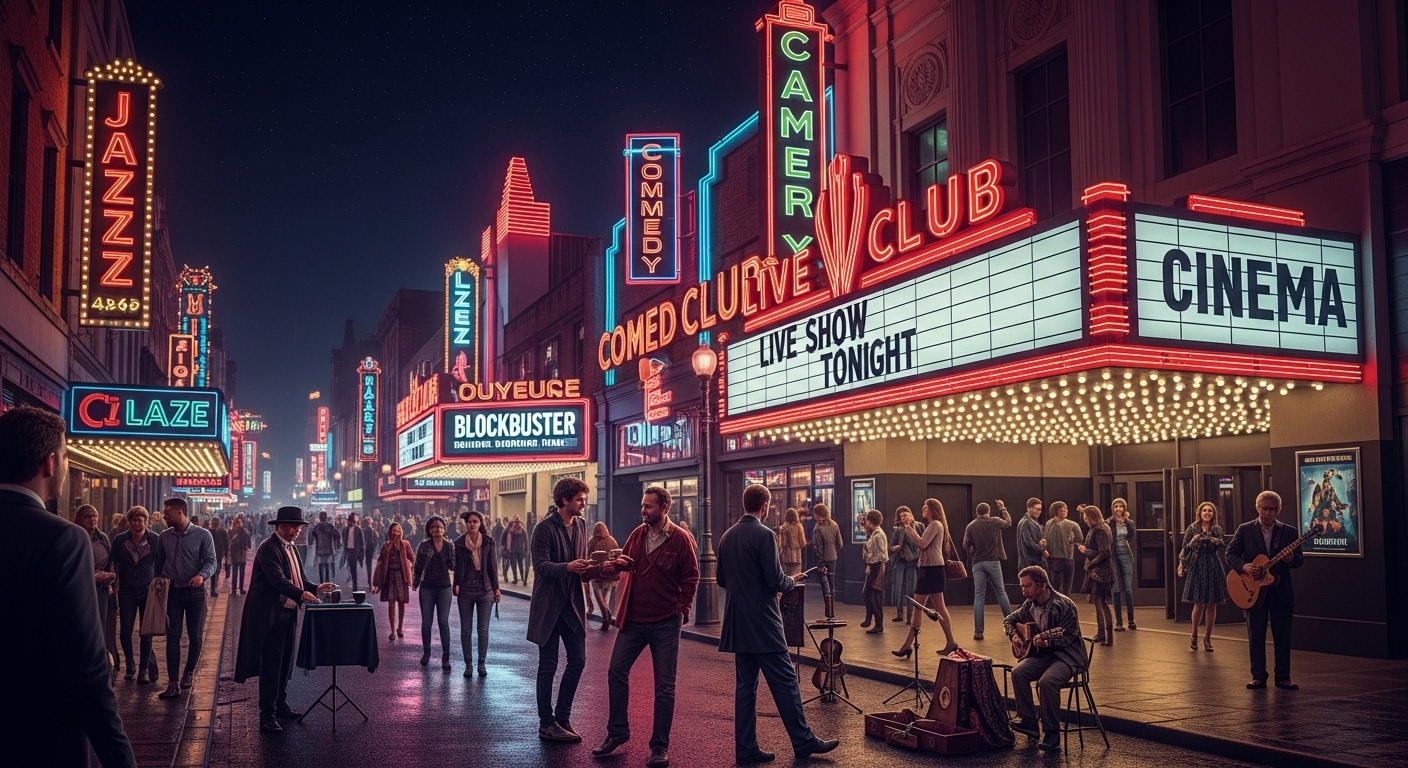
The invention of the motion picture in the late 1800s revolutionized entertainment. Silent films, followed by the introduction of sound in the 1920s, changed the way people experienced stories. The allure of cinema was not only in the captivating stories but also in the visual and auditory experience. Hollywood emerged as the global hub of cinema, and movie stars became household names. Cinema provided an escape, offering audiences an opportunity to live vicariously through the characters on screen.
At the same time, the rise of radio transformed entertainment yet again. Radio broadcasts allowed people to access news, music, and drama from the comfort of their homes. This marked the beginning of mass communication and democratized entertainment in ways that print media could not. Radio shows, serial dramas, and comedy programs became cultural phenomena, bringing people together around shared listening experiences.
The Age of Television: A New Era of Home Entertainment
In the mid-20th century, television took entertainment into people’s homes in a way that radio had never been able to do. Television became the dominant form of entertainment for decades, with families gathering around their TV sets to watch everything from news broadcasts to popular sitcoms. Shows like “I Love Lucy,” “The Ed Sullivan Show,” and later “The Simpsons” became a part of the cultural fabric, with entire generations bonding over their shared viewing experiences.
Television also brought entertainment into the mainstream, making it more accessible and diverse. The rise of cable television in the 1980s and the creation of specialized channels like HBO, ESPN, and MTV catered to different tastes and interests. The 1990s saw the rise of reality TV, which marked a shift in entertainment, blurring the lines between fiction and reality. Audiences began to crave content that felt more relatable and less scripted.
The growth of television also influenced the way content was produced and consumed. The serialized nature of TV shows created an ongoing dialogue between creators and viewers. Television shows became a platform for social commentary, with dramas like “The Twilight Zone” and “MAS*H” addressing issues such as civil rights, war, and equality.
The Digital Revolution: The Internet and Streaming Platforms
The turn of the century ushered in a new era of entertainment with the advent of the internet. The internet revolutionized the way people accessed and consumed content, making entertainment more immediate, diverse, and interactive.
The introduction of streaming platforms such as Netflix, Hulu, and YouTube changed the way we watch television and movies. No longer tied to a traditional broadcast schedule, viewers could now watch what they wanted, when they wanted, and from any device with an internet connection. The rise of digital streaming also democratized content creation, giving independent filmmakers, musicians, and influencers a platform to share their work with a global audience.
Streaming services have not only altered the delivery of entertainment but also its content. With the ability to binge-watch entire seasons of TV shows, audiences became accustomed to consuming content in long, continuous stretches. The structure of storytelling shifted to accommodate this new format, leading to more complex, serialized narratives. Shows like “Breaking Bad,” “Stranger Things,” and “Game of Thrones” pushed the boundaries of television, offering cinematic quality and deep storytelling that rivaled traditional film.
Social Media and Interactive Entertainment
The rise of social media platforms like Facebook, Instagram, Twitter, and TikTok has further transformed the entertainment landscape. These platforms allow users to create and share content, enabling individuals to become creators, not just consumers. Social media has blurred the lines between entertainment and social interaction, with influencers and content creators achieving celebrity status.
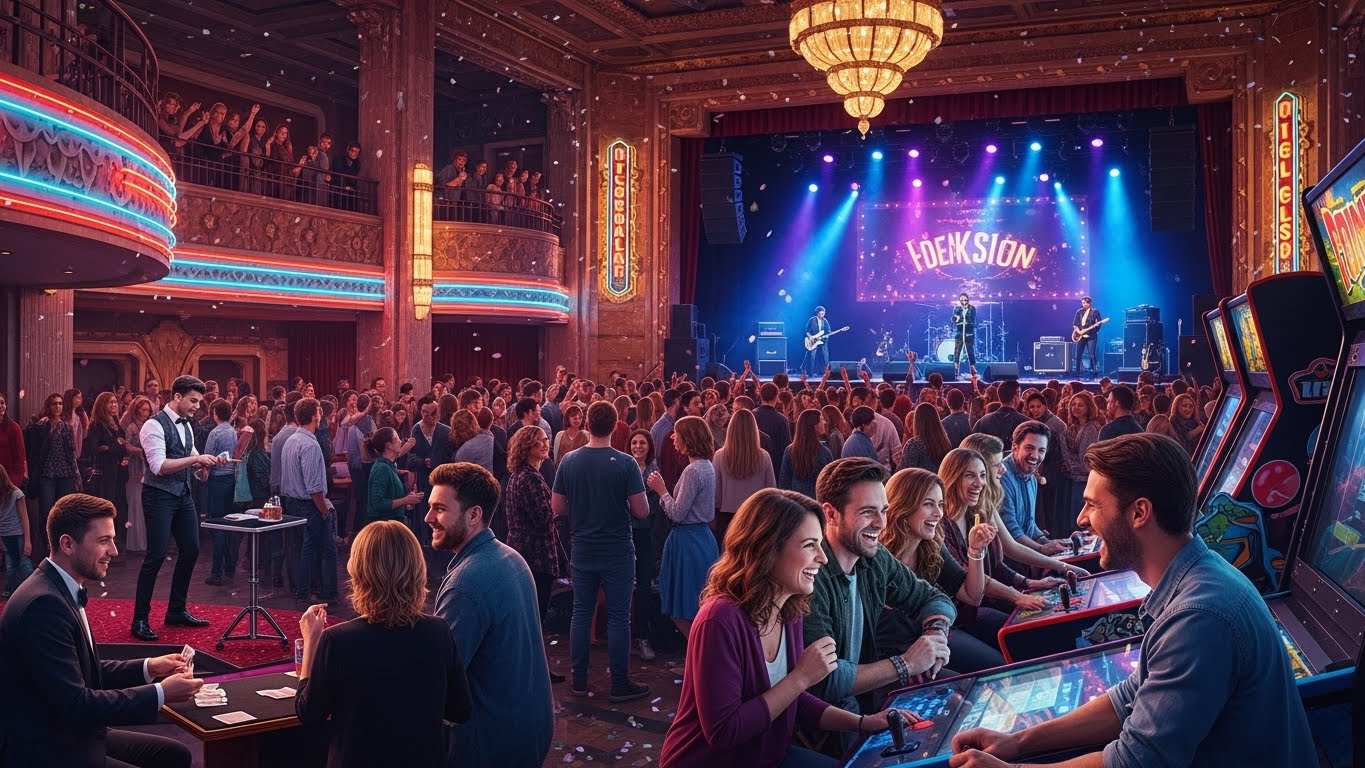
Interactive entertainment has also emerged as a dominant force. Video games have grown from simple pixelated experiences to immersive worlds with complex storylines, high-definition graphics, and multiplayer online features. Games like “Fortnite,” “League of Legends,” and “Minecraft” have become not only entertainment but also social platforms where people can connect, compete, and collaborate in real time.
The rise of virtual reality (VR) and augmented reality (AR) also signals the future of interactive entertainment. These technologies offer immersive experiences that allow users to participate in stories and games as active participants rather than passive observers. VR is making its way into gaming, live events, and even entertainment tourism, creating new ways for people to engage with the content they love.
The Future of Entertainment: What Lies Ahead?
As technology continues to evolve, the future of entertainment seems limitless. The rapid development of artificial intelligence (AI), virtual reality (VR), and augmented reality (AR) will offer more personalized, immersive, and interactive experiences. Virtual reality could take storytelling to new heights, creating experiences where viewers are part of the narrative, interacting with characters and environments in ways that traditional media could never offer.
AI is also poised to change how entertainment is produced. Algorithms are already being used to recommend movies, shows, and music, but in the future, AI might even assist in the creation of entertainment itself. AI-generated content could become a norm, from personalized movie scripts to virtual musicians who produce music based on individual tastes.
The line between reality and entertainment may continue to blur as augmented reality creates new ways to interact with the world. Imagine attending a live concert in your living room, feeling the energy of the crowd and the pulse of the music, or walking through a digital museum where the exhibits come to life. Entertainment will become more personalized, interactive, and accessible than ever before.
Conclusion: Entertainment as a Reflection of Society
Entertainment has come a long way from its roots in storytelling and ritual to the high-tech, multi-faceted experiences of today. It has always been a reflection of the society in which it exists, mirroring cultural values, social changes, and technological advancements. The entertainment industry will continue to evolve as new technologies shape how we interact with content. What remains constant, however, is the human desire for connection, expression, and escapism.
From ancient rituals to the digital revolution, entertainment has always been a powerful force in shaping the world we live in. As we look to the future, one thing is certain: the evolution of entertainment will continue to surprise, inspire, and unite people across the globe.