Entertainment has always been a cornerstone of human culture. From ancient plays in Greek theaters to modern-day streaming marathons, entertainment has adapted and evolved to reflect changes in technology, society, and human creativity. As we move further into the digital age, the definition of entertainment continues to shift, with new forms emerging and blending the lines between the physical and digital worlds. In this post, we will explore the current landscape of entertainment and how it is shaping our experiences in the 21st century.
The Digital Revolution: Streaming and On-Demand Content
One of the most significant changes in entertainment over the past decade is the rise of streaming platforms. Services like Netflix, Hulu, Amazon Prime Video, and Disney+ have redefined how we consume movies and television. No longer do we have to plan our schedules around specific broadcast times or wait for a DVD to be released. Instead, we can watch virtually anything, anytime, and on any device.
This shift has disrupted traditional media industries, including cable television, which has seen a steady decline in subscriptions. With the ability to binge-watch entire seasons of shows, audiences now have more control over their entertainment experiences. Content is available on-demand, allowing viewers to tailor their entertainment consumption to their preferences and schedules.
The Rise of Interactive Entertainment: Gaming and Virtual Reality
Another area where entertainment is rapidly evolving is in the world of video games and immersive technology. Video gaming has long been a form of entertainment, but advancements in technology have transformed it into a multi-billion-dollar industry that rivals traditional sports and film. Today’s games offer deep, engaging storylines, complex characters, and interactive worlds where players can become part of the narrative.
Virtual Reality (VR) and Augmented Reality (AR) are pushing the boundaries even further. These technologies allow users to immerse themselves in fully interactive environments, blurring the lines between reality and the digital world. Whether it’s playing games like Beat Saber in a virtual space or experiencing AR through apps that bring your surroundings to life, these technologies are creating new opportunities for entertainment that weren’t possible just a few years ago.
Social Media and Content Creation: The Democratization of Entertainment
The emergence of social media has democratized entertainment in a way that was previously unimaginable. Platforms like YouTube, Instagram, TikTok, and Twitter have given anyone with a camera and an internet connection the chance to create and share content with a global audience. This shift has given rise to a new generation of content creators — influencers, vloggers, and streamers — who have garnered massive followings and turned their hobbies into full-time careers.
This new wave of entertainment is far more interactive and participatory than traditional media. Fans can engage directly with their favorite creators, comment on posts, share content, and even contribute to the creative process by offering suggestions or feedback. It’s an entertainment ecosystem where the audience is not just a passive consumer but an active participant in the creation and distribution of content.
Live Entertainment in the Digital Age
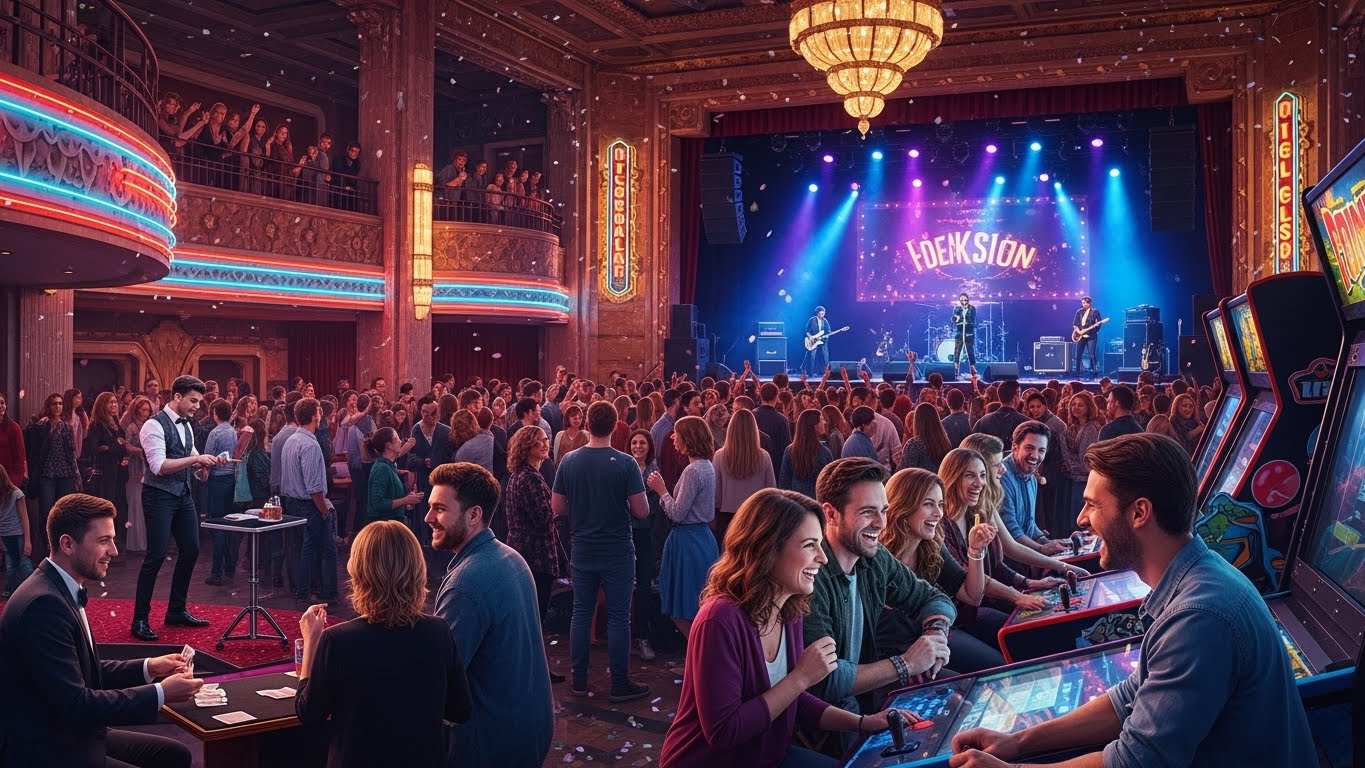
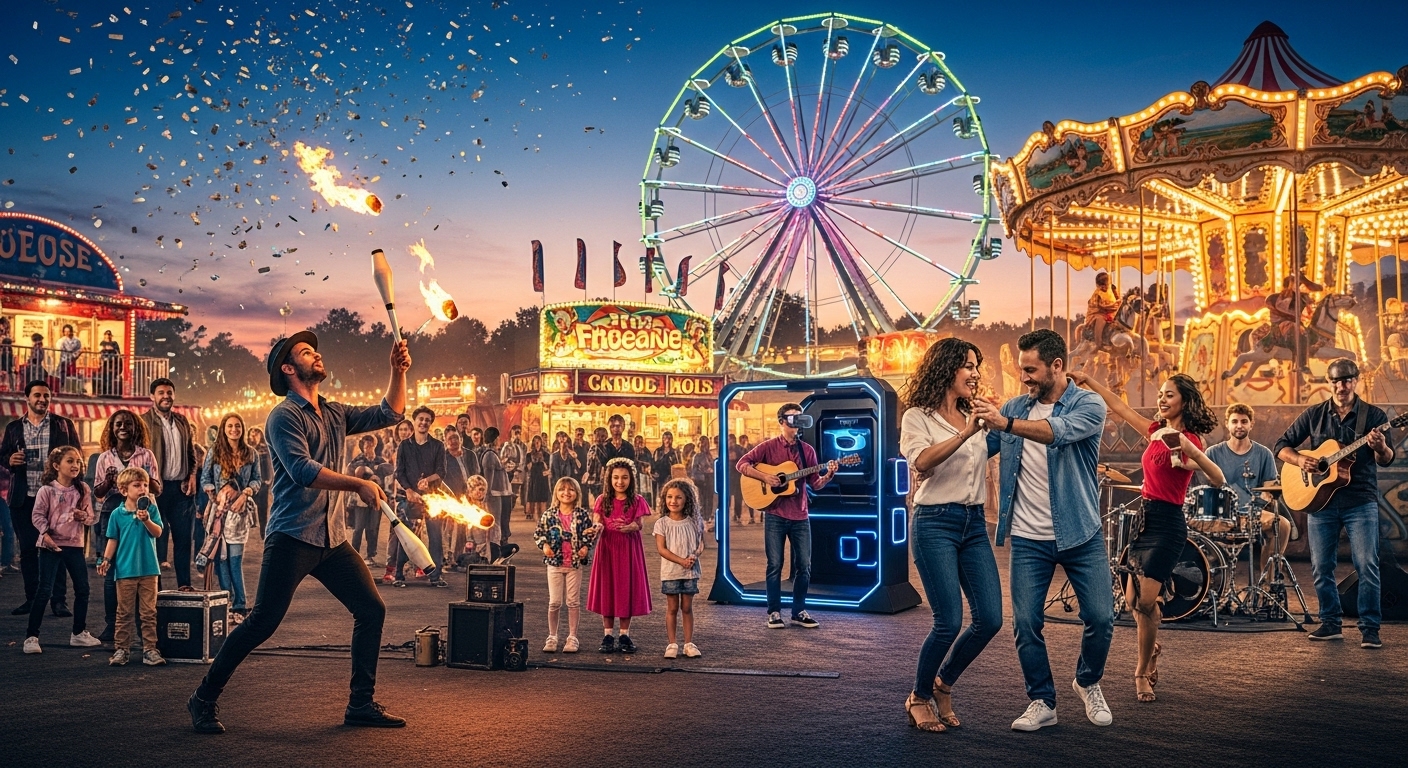
While digital platforms have transformed how we access entertainment, live events remain a vital part of the experience. Concerts, theater performances, and sporting events offer unique experiences that digital media cannot replicate. However, the digital age has enhanced these live experiences in ways that were not possible before.
Live-streaming platforms have allowed fans from around the world to watch concerts, theater productions, and sports games in real-time, even if they are on the other side of the globe. Additionally, virtual events and performances, like live-streamed concerts and interactive theater shows, have opened up new ways for audiences to experience entertainment remotely while still feeling connected to the performers.
The Future of Entertainment: Immersive and Personalized Experiences
As technology continues to advance, we can expect even more immersive and personalized entertainment experiences. Artificial intelligence (AI), machine learning, and big data are already playing a role in shaping the future of entertainment. Platforms are using data analytics to recommend content that aligns with our interests, while AI is being utilized to create dynamic, personalized experiences in video games and virtual environments.
Moreover, the integration of 5G technology is set to enhance streaming services, reduce latency in online gaming, and allow for smoother virtual reality experiences. As these technologies continue to evolve, the possibilities for entertainment will expand, providing more interactive and customizable ways for individuals to engage with content.
Conclusion: A New Era of Entertainment
The entertainment landscape has undergone a massive transformation, and it’s clear that we are living in a time of unprecedented change. From the rise of streaming platforms and interactive gaming to the democratization of content creation and the global reach of live events, entertainment has evolved into a more accessible, immersive, and participatory experience than ever before.
As technology continues to shape our lives, the future of entertainment is bright and full of exciting possibilities. The ways we consume, create, and experience entertainment will continue to adapt, offering new opportunities for connection, creativity, and exploration. Whether it’s through the latest film, a virtual concert, or a game-changing VR experience, one thing is certain: entertainment will always evolve to keep us captivated and engaged.