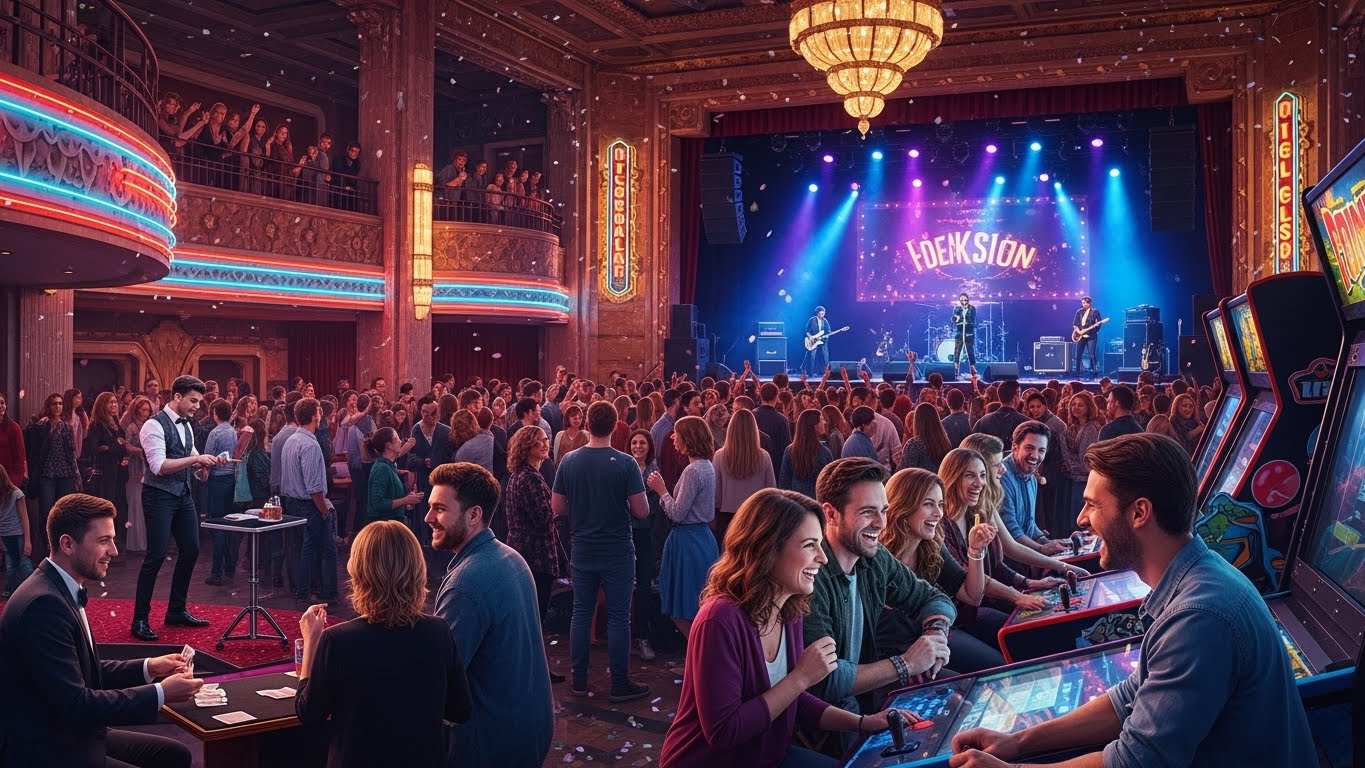
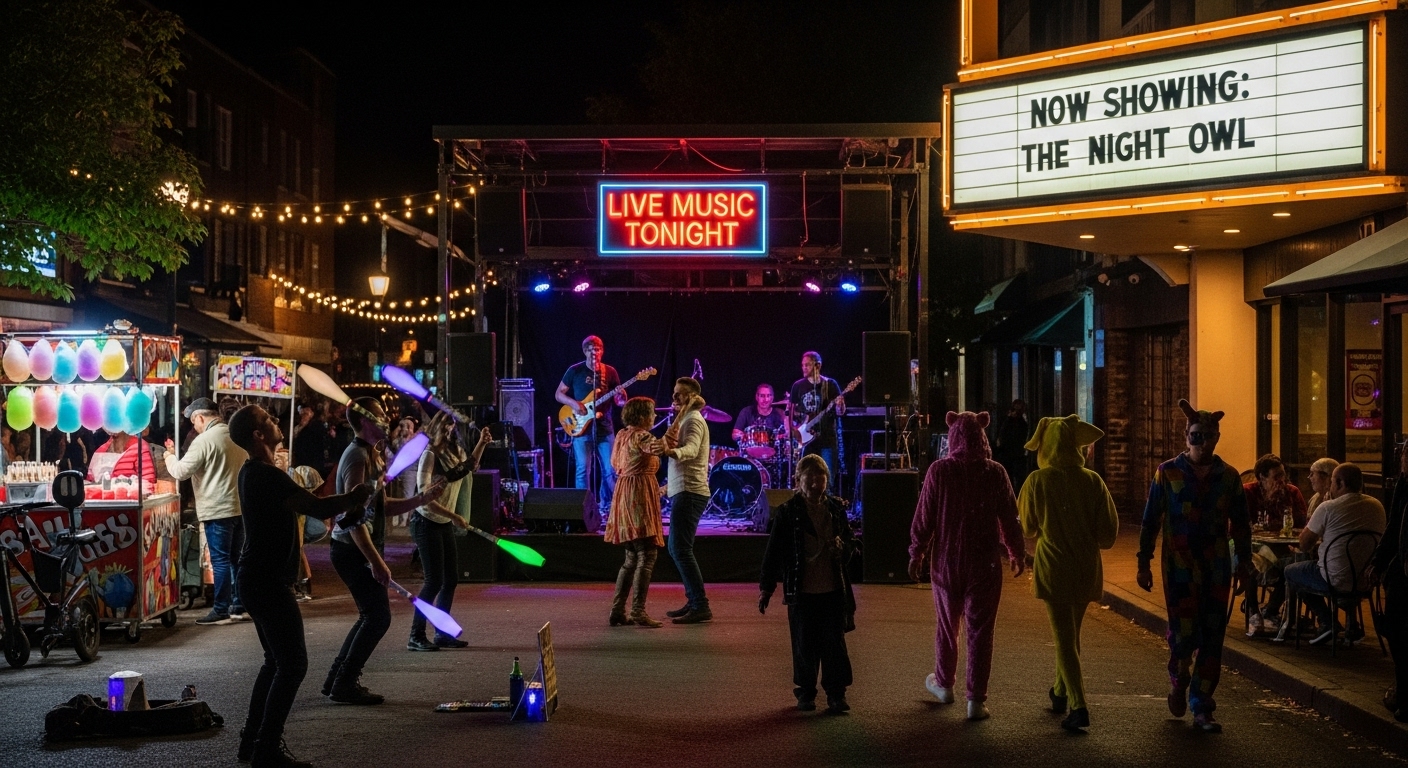
Entertainment is an integral part of our lives, constantly evolving with the times. From the early days of theater to the invention of television, and now to the rise of digital platforms, the way we experience entertainment has undergone significant transformation. Today, technology is leading the charge in reshaping our entertainment habits. Whether it’s through streaming services, social media platforms, or immersive gaming experiences, entertainment has become more accessible, diverse, and interactive. In this post, we’ll explore how technology is influencing the entertainment landscape and what the future holds.
The Streaming Revolution: A New Era for Movies and TV
Gone are the days when we had to rely on cable TV or wait for our favorite shows to air at a specific time. The rise of streaming services like Netflix, Hulu, Disney+, and Amazon Prime Video has revolutionized the way we consume movies and television. No longer do we need to plan our schedules around a television lineup; instead, we can watch anything, anytime, and anywhere.
Streaming has not only made content more accessible but has also given viewers the power to control their watching experience. Binge-watching has become a cultural norm, with entire seasons of shows available for immediate consumption. The vast libraries offered by these services mean that there’s always something for everyone, no matter their taste. Whether you’re into drama, comedy, or documentaries, streaming platforms allow us to explore an almost endless variety of content with just a few clicks.
Social Media: The New Entertainment Playground
In the past, entertainment was mainly delivered through traditional outlets such as movies, television shows, and radio broadcasts. However, with the rise of social media, platforms like Instagram, TikTok, YouTube, and Twitter have created a new dimension for entertainment. These platforms offer content that is as diverse as the creators behind them—ranging from short, funny videos to long-form vlogs and everything in between.
What makes social media unique is the way it has democratized entertainment. Today, anyone with a smartphone and internet connection can become an entertainer, sharing their talents, humor, and ideas with the world. Social media has blurred the lines between celebrities and everyday people, creating a space where influencers, brands, and fans interact in real time. These interactions have created a more personal form of entertainment, where viewers feel connected to the people they follow, forming virtual communities around shared interests.
The Interactive Revolution: The Rise of Video Games
Video games have been a part of entertainment for decades, but in recent years, they’ve grown into one of the most dominant forms of entertainment in the world. What started as simple pixelated games has transformed into an entire industry that generates billions of dollars annually. With immersive storytelling, stunning graphics, and online multiplayer experiences, video games have become a mainstay of entertainment culture.
Today, gaming is more than just playing on a console or computer. It’s about participating in massive online worlds where players can connect with people from all over the globe. Games like Fortnite, Minecraft, and League of Legends have transformed gaming from a solitary activity into a social experience. Additionally, esports, or competitive gaming, has emerged as a massive industry, with tournaments attracting millions of viewers and top players earning lucrative salaries.
The rise of virtual reality (VR) and augmented reality (AR) technologies has also changed the gaming experience. VR offers gamers the ability to fully immerse themselves in digital environments, creating a more realistic and engaging experience. As these technologies continue to improve, the line between the real and virtual world will continue to blur, offering even more exciting and interactive entertainment experiences.
Music in the Digital Age: From Physical Media to Streaming
The way we listen to music has drastically changed over the years. In the past, people would buy physical records, cassettes, or CDs to listen to their favorite songs. However, the digital age has ushered in streaming services like Spotify, Apple Music, and YouTube, allowing us to access millions of songs instantly.
One of the biggest changes in music entertainment is how it’s consumed. Music streaming platforms have completely reshaped the music industry, providing a platform for both emerging and established artists to share their work. With personalized playlists, recommendations, and the ability to discover new artists, these services have revolutionized how we engage with music. In addition, the integration of social media has allowed musicians to connect directly with their fans, promoting their work, sharing personal insights, and even collaborating with other artists.
Moreover, live streaming platforms like Twitch and Instagram Live have introduced a new way for artists to perform and interact with their fans. Virtual concerts and live shows have become increasingly popular, allowing people from around the world to experience live music without leaving their homes.
Mobile Entertainment: Access Anywhere, Anytime
The smartphone has become a central hub for entertainment, providing on-the-go access to videos, music, games, and social media. Whether waiting in line, traveling, or relaxing at home, mobile entertainment has made it possible to stay connected and entertained anytime, anywhere.
Mobile gaming has become especially popular, with millions of users worldwide playing games on their phones. From casual puzzle games to immersive role-playing games, mobile games offer something for everyone. The rise of mobile entertainment has also led to a boom in mobile-based content creation, with apps like TikTok allowing users to create and share short videos that quickly go viral.
Moreover, streaming platforms like Netflix, YouTube, and Spotify have apps that make it easy for users to consume content from their phones. This mobile revolution has empowered users to access entertainment on their own terms, making it a key factor in the changing entertainment landscape.
The Evolution of Live Events: From Stadiums to Virtual Realities
While live events like concerts, theater productions, and sports games have always been a form of entertainment, technology has added new dimensions to these experiences. With the rise of live streaming, fans no longer need to be physically present at an event to enjoy it. Virtual concerts, theater performances, and sports events are now streamed to millions of viewers around the world.
Moreover, with the introduction of VR and AR, live events are becoming more immersive. Fans can attend concerts virtually, experience 360-degree views of sports games, or even participate in interactive theater performances. This evolution of live entertainment allows for a more inclusive experience, where fans from all over the world can participate in events that they may otherwise never have had access to.
Additionally, hybrid events—combining in-person and virtual experiences—are becoming more common. This shift allows people to choose how they want to engage with an event, whether they’re attending in person or watching from the comfort of their homes.
The Future of Entertainment: A More Personalized, Immersive Experience
Looking forward, the future of entertainment will be driven by advancements in technology. The use of AI, VR, AR, and 5G will create even more interactive and immersive experiences. Entertainment will become more personalized, allowing consumers to tailor content to their preferences in real time. AI-powered recommendations, more realistic VR worlds, and interactive content will make entertainment even more engaging.
Moreover, as technology becomes more integrated into our daily lives, entertainment will become more seamlessly woven into our routines. With the advent of smart homes and wearables, entertainment might no longer be confined to our screens. Imagine experiencing an immersive concert through VR while wearing a headset, or attending a virtual theater performance in your living room, all while interacting with other viewers.
Conclusion: The Ever-Changing Landscape of Entertainment
Entertainment has come a long way, and technology continues to redefine how we experience it. From streaming services to social media, mobile apps, and immersive gaming experiences, the way we consume and engage with content has become more personalized and interactive. As technology continues to evolve, the future of entertainment promises even more exciting possibilities, making it an exciting time to be both a consumer and creator of entertainment. Whether it’s enjoying a movie on your couch, participating in a virtual concert, or playing a multiplayer game with friends around the world, entertainment will continue to adapt, bringing people together in new and innovative ways.